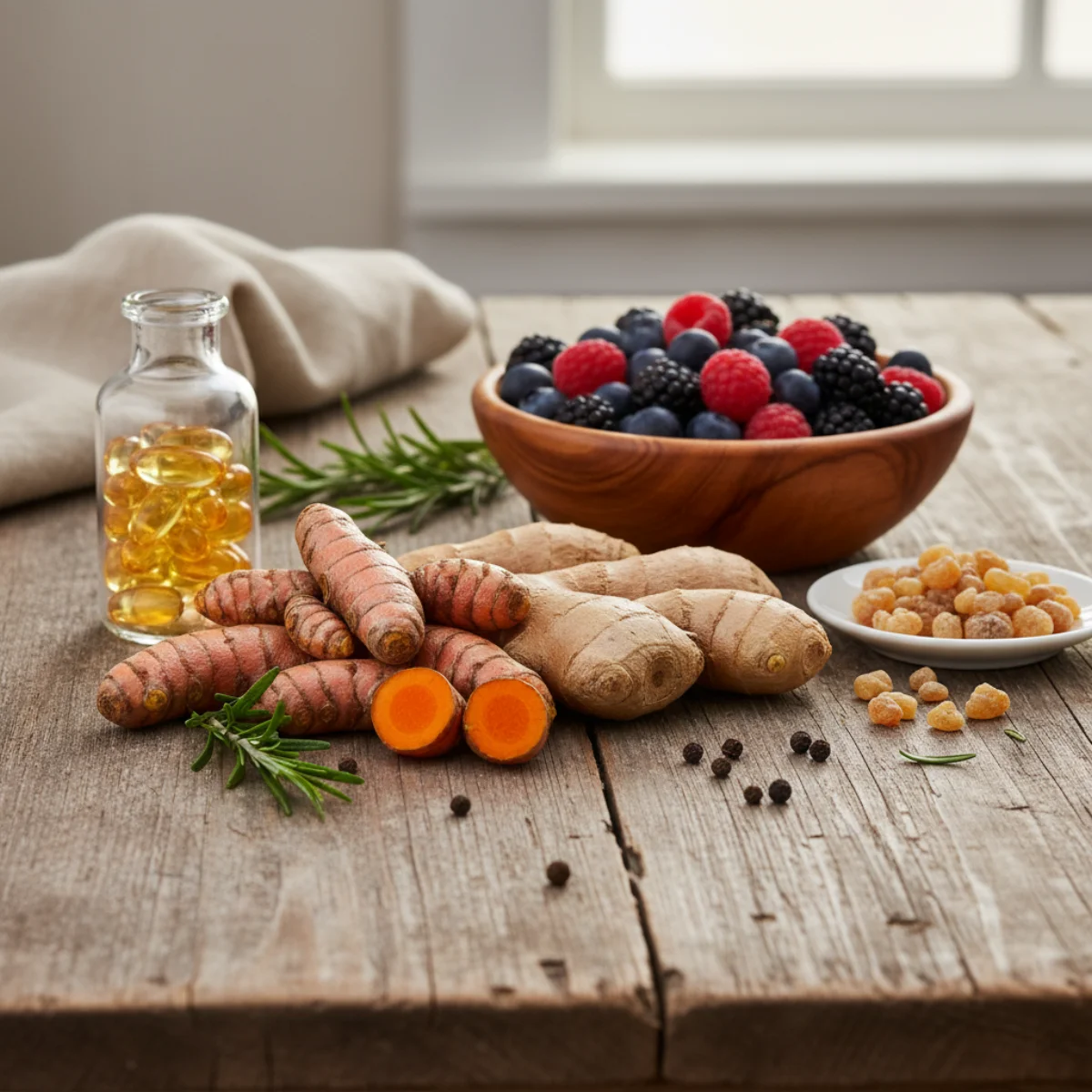
Chronic inflammation is a silent force contributing to numerous health challenges, from joint discomfort to more systemic issues. While lifestyle interventions like diet and exercise form the bedrock of inflammation management, certain dietary supplements have garnered significant scientific attention for their potential to support the body's natural anti-inflammatory processes. Identifying the best anti-inflammatory supplement often depends on individual needs, the specific type of inflammation, and a supplement's unique mechanisms of action. This article delves into the most evidence-backed options, offering a comprehensive guide to help you navigate the choices and make an informed decision.
Understanding Inflammation and the Role of Supplements
Inflammation is a vital biological process that protects the body from harm, initiating healing and fighting off infections. Acute inflammation is a short-term, localized response to injury or infection, characterized by redness, swelling, heat, and pain. It's a necessary part of recovery. However, when this response becomes prolonged or systemic, it transitions into chronic inflammation. Chronic inflammation can contribute to a wide array of health concerns, including joint stiffness, digestive issues, cardiovascular challenges, and metabolic imbalances.
Dietary supplements are not a cure for chronic inflammation but can play a supportive role by providing compounds that modulate inflammatory pathways, reduce oxidative stress, and support cellular health. They work by interacting with various biochemical processes in the body, often mimicking or enhancing the effects of natural anti-inflammatory compounds found in foods. The effectiveness of a supplement hinges on its active ingredients, their bioavailability, and the specific inflammatory pathways they target.
Our Methodology for Selecting the Best Anti-Inflammatory Supplements
When identifying the best anti-inflammatory supplements, our approach is rooted in evidence-based research and practical considerations. We prioritize supplements that have:
- Robust Scientific Evidence: Preference is given to ingredients supported by multiple human clinical trials, not just preliminary animal or in-vitro studies.
- Well-Understood Mechanisms of Action: We look for supplements whose anti-inflammatory pathways are clearly elucidated.
- Safety Profile: Ingredients with a generally recognized as safe (GRAS) status and minimal reported side effects are favored. Potential drug interactions are also considered.
- Bioavailability: The body's ability to absorb and utilize the active compounds is critical. We highlight forms that enhance absorption.
- Common Usage and Accessibility: Supplements that are widely available and have a history of use in traditional or modern medicine are included.
This rigorous selection process ensures that our recommendations are both scientifically sound and practically useful for individuals seeking to manage inflammation.
Top Picks for Anti-Inflammatory Support
Curcumin (from Turmeric)
Curcumin is the primary active compound found in turmeric, a spice widely used in traditional medicine. Its potent anti-inflammatory properties have made it one of the most studied natural compounds. Curcumin works by inhibiting multiple inflammatory pathways, including the nuclear factor-kappa B (NF-κB) pathway, which plays a central role in regulating the immune response and inflammation. It also inhibits enzymes like cyclooxygenase-2 (COX-2) and lipoxygenase (LOX), which are involved in producing inflammatory mediators.
Evidence: Research suggests curcumin may support joint health, reduce exercise-induced muscle soreness, and contribute to a healthy gut lining. Small trials have indicated benefits for conditions associated with chronic inflammation, though more extensive research is always ongoing. The evidence is particularly strong for its antioxidant capabilities, which further contribute to its anti-inflammatory effects by neutralizing free radicals.
Dose and Bioavailability: A significant challenge with curcumin is its poor bioavailability, meaning it's not easily absorbed into the bloodstream. To overcome this, many supplements use enhanced formulations, such as curcumin phytosome (curcumin bound to phospholipids), liposomal curcumin, or formulations with piperine (black pepper extract), which can significantly increase absorption. Typical effective doses range from 500 mg to 1500 mg of bioavailable curcumin daily, often divided into multiple doses.
Safety and Who It Suits: Curcumin is generally considered safe for most people. Side effects are rare but can include mild gastrointestinal upset, such as nausea or diarrhea, especially at higher doses. It may interact with blood-thinning medications, so caution is advised for individuals on anticoagulants. Curcumin is particularly suitable for individuals experiencing general inflammatory discomfort, joint stiffness, or those looking for broad-spectrum antioxidant support. For those interested in exploring high-quality curcumin options, you can find more information at our dedicated page on curcumin supplements.
Omega-3 Fatty Acids (EPA & DHA)
Omega-3 fatty acids, specifically eicosapentaenoic acid (EPA) and docosahexaenoic acid (DHA), are essential fats primarily found in fatty fish. They are crucial components of cell membranes and play a fundamental role in modulating inflammation. EPA and DHA are precursors to specialized pro-resolving mediators (SPMs) like resolvins and protectins, which actively help to resolve inflammation and promote tissue repair. They also reduce the production of pro-inflammatory eicosanoids and cytokines.
Evidence: Omega-3s are extensively studied for their cardiovascular benefits, including supporting healthy blood pressure and triglyceride levels. They are also well-regarded for their role in supporting joint health, brain function, and eye health. Numerous studies have demonstrated their ability to reduce markers of inflammation in the body, making them a cornerstone of anti-inflammatory nutritional strategies.
Dose and Bioavailability: The recommended daily intake of EPA and DHA varies, but for anti-inflammatory effects, doses typically range from 1,000 mg to 4,000 mg of combined EPA and DHA per day. It's important to look at the actual EPA and DHA content, not just the total fish oil amount. Supplements are available in various forms, including triglyceride (TG) and ethyl ester (EE). The triglyceride form is generally considered more bioavailable.
Safety and Who It Suits: Omega-3 supplements are generally safe. Common side effects can include a fishy aftertaste, burping, or mild gastrointestinal upset. High doses may have blood-thinning effects, so individuals on anticoagulant medications or those undergoing surgery should consult a healthcare professional. They are highly suitable for individuals looking to support cardiovascular health, joint flexibility, and overall inflammatory balance.
Boswellia Serrata
Boswellia serrata, also known as Indian frankincense, is an herbal extract derived from the resin of the Boswellia tree. Its active compounds, boswellic acids, are responsible for its anti-inflammatory properties. Boswellia primarily works by inhibiting 5-lipoxygenase (5-LOX), an enzyme that produces leukotrienes, which are potent mediators of inflammation and allergic responses. Unlike some anti-inflammatory drugs, boswellia is thought to be less irritating to the stomach lining.
Evidence: Boswellia has been studied for its potential benefits in supporting joint comfort, particularly in cases of osteoarthritis, and for its role in managing inflammatory bowel conditions. Small trials suggest it may help reduce pain and improve physical function in individuals with joint issues. Evidence for other inflammatory conditions is preliminary but promising.
Dose and Bioavailability: Standardized extracts of boswellia, typically containing 60-65% boswellic acids (often standardized for AKBA, acetyl-11-keto-β-boswellic acid), are preferred for consistent potency. Doses often range from 300 mg to 500 mg, two to three times daily. Absorption can be enhanced when taken with food.
Safety and Who It Suits: Boswellia is generally well-tolerated. Mild gastrointestinal side effects, such as nausea, diarrhea, or heartburn, are occasionally reported. It may interact with certain medications, including blood thinners, so medical consultation is advised. Boswellia is a good option for individuals seeking support for joint health and those with specific inflammatory bowel concerns, provided they consult with a healthcare provider.
Ginger (Zingiber officinale)
Ginger is a widely used spice and traditional medicine with a long history of use for its anti-inflammatory and antioxidant properties. The primary bioactive compounds in ginger are gingerols, shogaols, and paradols. These compounds work through various mechanisms, including inhibiting the production of pro-inflammatory cytokines and chemokines, suppressing COX-2 and 5-LOX enzymes, and modulating NF-κB activity. Ginger's effects are often compared to those of NSAIDs, but with a gentler profile.
Evidence: Ginger is well-known for its anti-nausea effects and its potential to alleviate muscle soreness after exercise. Studies have also explored its benefits for supporting joint comfort, particularly in osteoarthritis, and for menstrual discomfort. While much of the evidence is from smaller trials, the consistent findings across various inflammatory models are compelling.
Dose and Bioavailability: Ginger can be consumed in various forms: fresh, dried, powdered, or as an extract. For anti-inflammatory purposes, doses typically range from 1,000 mg to 2,000 mg of powdered ginger extract daily, or equivalent amounts of fresh ginger. Standardized extracts are available, often focusing on gingerol content. It is generally well-absorbed.
Safety and Who It Suits: Ginger is generally safe for most people. Side effects are usually mild and may include heartburn, diarrhea, or stomach upset, especially at very high doses. Similar to omega-3s and curcumin, ginger may have mild blood-thinning effects, so individuals on anticoagulant medications should exercise caution. Ginger is an excellent choice for those seeking natural support for general inflammatory discomfort, muscle recovery, and digestive health.
Resveratrol
Resveratrol is a natural polyphenol found in red grapes, red wine, berries, and peanuts. It has gained attention for its antioxidant and anti-inflammatory properties, as well as its potential role in cellular longevity. Resveratrol works by activating sirtuins, a family of proteins involved in cellular regulation, and by inhibiting NF-κB and COX-2 pathways. It also acts as a potent antioxidant, protecting cells from oxidative damage that can trigger inflammation.
Evidence: Research on resveratrol suggests potential benefits for cardiovascular health, metabolic support, and brain health. While many studies have been conducted in animal models, human trials are exploring its effects on markers of inflammation and oxidative stress. The evidence for direct anti-inflammatory effects in humans is still developing but shows promise, particularly in reducing specific inflammatory markers.
Dose and Bioavailability: Resveratrol has relatively low bioavailability, meaning a significant portion is metabolized before it can enter the bloodstream. Doses in studies typically range from 150 mg to 500 mg per day, often in trans-resveratrol form, which is considered the most biologically active. Some formulations combine resveratrol with piperine or use micronized forms to enhance absorption.
Safety and Who It Suits: Resveratrol is generally safe at commonly recommended doses. High doses may cause mild gastrointestinal issues. It may interact with blood-thinning medications and certain liver enzymes, so consultation with a healthcare provider is recommended, especially for those on prescription drugs. Resveratrol is suitable for individuals interested in antioxidant support, cardiovascular health, and those looking for a broad-spectrum anti-inflammatory agent with potential cellular longevity benefits.
Quercetin
Quercetin is a flavonoid, a type of plant pigment found in many fruits, vegetables, and grains, such as apples, onions, berries, and green tea. It is a powerful antioxidant and possesses significant anti-inflammatory properties. Quercetin works by inhibiting the production and release of histamine and other inflammatory mediators, modulating inflammatory signaling pathways (like NF-κB), and reducing oxidative stress. Its action on mast cells makes it particularly interesting for allergy-related inflammation.
Evidence: Quercetin has been studied for its potential to support immune function, reduce allergy symptoms, and contribute to cardiovascular health. Preliminary evidence suggests it may help reduce exercise-induced inflammation and support respiratory health. Its antioxidant capacity is well-established, contributing to its overall anti-inflammatory profile.
Dose and Bioavailability: Quercetin's bioavailability can be limited. Doses typically range from 500 mg to 1,000 mg per day. Similar to curcumin, formulations that enhance absorption, such as quercetin phytosome or those combined with bromelain or vitamin C, are often preferred. Taking it with a fatty meal can also improve absorption.
Safety and Who It Suits: Quercetin is generally safe for most individuals. Side effects are rare but can include mild headaches or stomach upset at very high doses. It may interact with certain medications, including antibiotics and blood thinners, so medical advice is prudent. Quercetin is a good choice for individuals seeking antioxidant support, those with seasonal allergies, and those looking to support overall immune and cardiovascular health.
How to Choose the Best Anti-Inflammatory Supplement for You
Selecting the right anti-inflammatory supplement is a personalized process. Here are key considerations to guide your choice:
- Identify Your Specific Needs: Are you seeking relief for joint pain, digestive issues, or general inflammatory support? Different supplements target different pathways and may be more effective for specific concerns.
- Consult a Healthcare Professional: This is paramount. A doctor or registered dietitian can help assess your individual health status, potential drug interactions, and recommend appropriate supplements and dosages. They can also rule out underlying conditions that require medical treatment.
- Look for Quality and Third-Party Testing: The supplement industry is not as tightly regulated as pharmaceuticals. Choose reputable brands that provide third-party testing for purity, potency, and absence of contaminants (heavy metals, pesticides). Certifications from organizations like NSF International, USP, or ConsumerLab are good indicators of quality.
- Consider Bioavailability: As highlighted, many natural compounds have poor absorption. Opt for formulations designed to enhance bioavailability (e.g., curcumin phytosome, triglyceride-form omega-3s). When considering specific ingredients like curcumin, always look for enhanced bioavailability forms to ensure you're getting the most benefit from your dose.
- Check Dosage: Ensure the supplement provides clinically effective doses of the active ingredients, as supported by research. Avoid products with proprietary blends that don't disclose individual ingredient amounts.
- Be Aware of Potential Interactions: Many anti-inflammatory supplements can interact with prescription medications, especially blood thinners, immunosuppressants, and diabetes medications. Always disclose all supplements you are taking to your healthcare provider.
- Start Low and Go Slow: When introducing a new supplement, begin with a lower dose to assess tolerance and gradually increase if needed and tolerated.
Beyond Supplements: Lifestyle for Inflammation Management
While supplements can be a valuable tool, they are most effective when integrated into a holistic approach to health. Fundamental lifestyle factors play a critical role in managing and reducing chronic inflammation:
- Anti-Inflammatory Diet: Emphasize whole, unprocessed foods. A diet rich in fruits, vegetables, whole grains, lean proteins, and healthy fats (like those found in the Mediterranean diet) can significantly reduce inflammatory markers. Limit processed foods, refined sugars, unhealthy fats, and excessive red meat.
- Regular Physical Activity: Moderate exercise has profound anti-inflammatory effects. Aim for a combination of cardiovascular exercise, strength training, and flexibility.
- Stress Management: Chronic stress can trigger and exacerbate inflammation. Incorporate stress-reducing practices such as meditation, yoga, deep breathing exercises, spending time in nature, or engaging in hobbies.
- Adequate Sleep: Poor sleep quality and insufficient sleep can increase inflammatory markers. Prioritize 7-9 hours of quality sleep per night.
- Maintain a Healthy Weight: Adipose tissue, especially visceral fat, can produce pro-inflammatory cytokines. Achieving and maintaining a healthy weight can significantly reduce systemic inflammation.
Ultimately, the 'best' anti-inflammatory supplement is one that aligns with your individual health profile, is supported by scientific evidence, and is used in conjunction with a healthy lifestyle. Always approach supplementation with an informed perspective and in consultation with a healthcare professional.