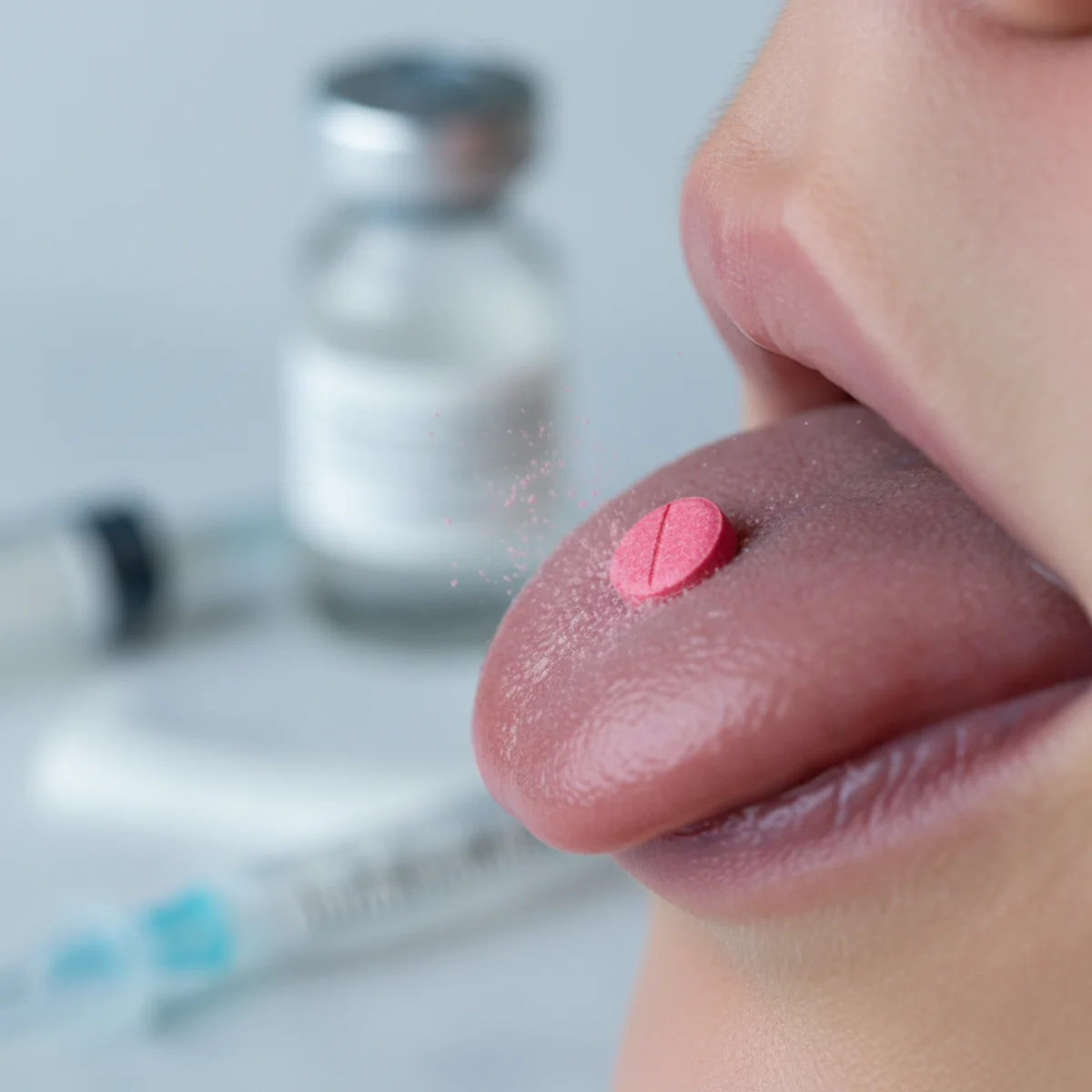
When addressing a vitamin B12 deficiency, two prominent methods of supplementation are injections and sublingual (under-the-tongue) forms. While both are effective at raising B12 levels, the optimal choice depends heavily on the individual's specific health status, the severity and cause of their deficiency, and personal preferences. Injections are often considered the gold standard for severe malabsorption issues, offering rapid and complete bioavailability, whereas sublingual supplements provide a convenient and non-invasive alternative that can be highly effective for many individuals, particularly those with milder deficiencies or certain absorption challenges.
What are Vitamin B12 Injections and Sublingual Supplements?
Vitamin B12 Injections typically involve administering a solution of B12 directly into a muscle (intramuscularly), most commonly in the upper arm, thigh, or buttocks. This method bypasses the digestive system entirely, ensuring that the vitamin is absorbed directly into the bloodstream. The most common forms of B12 used in injections are cyanocobalamin or hydroxocobalamin. Injections are often prescribed for individuals with severe deficiencies, pernicious anemia, or conditions that impair intestinal absorption, such as Crohn's disease, celiac disease, or following gastric surgery. They are usually administered by a healthcare professional, though some individuals may be trained for self-administration at home.
Sublingual Vitamin B12 Supplements are designed to dissolve under the tongue, allowing the vitamin to be absorbed directly into the bloodstream through the mucous membranes of the mouth. This route also partially bypasses the digestive system, specifically the initial stages that rely on stomach acid and intrinsic factor for absorption. Sublingual supplements are available in various forms, including tablets, lozenges, or liquid drops, and commonly contain methylcobalamin or cyanocobalamin. This method is popular due to its convenience, non-invasiveness, and effectiveness for many people, including those who may have some degree of impaired B12 absorption in the gut but do not require the complete bypass offered by injections.
Understanding Bioavailability and Absorption
Bioavailability refers to the proportion of a drug or other substance that enters the circulation when introduced into the body and is able to have an active effect. For vitamin B12, the method of delivery significantly impacts this.
- Injections: Intramuscular B12 injections boast nearly 100% bioavailability. The vitamin is delivered directly into the muscle tissue, from where it rapidly enters the bloodstream. This ensures that the full dose is available to the body's cells and tissues, making it highly effective for quickly correcting deficiencies and managing conditions where oral absorption is severely compromised. Peak plasma levels are typically achieved within hours.
- Sublingual Supplements: The bioavailability of sublingual B12 is generally high, but it is not 100% and can vary. Absorption occurs through passive diffusion across the oral mucosa. This means it doesn't rely on intrinsic factor, a protein produced in the stomach that is crucial for the absorption of orally ingested B12 in the small intestine. For individuals with intrinsic factor deficiency (e.g., pernicious anemia), sublingual absorption offers a viable alternative to injections. However, the rate and extent of absorption can be influenced by factors such as the specific form of B12, the dose, and individual physiological differences in oral mucosal permeability. While it bypasses some digestive hurdles, it's not as direct or complete as an injection.
It's important to note that even healthy individuals only absorb a small percentage of very high oral doses of B12 via passive diffusion, independent of intrinsic factor. Sublingual delivery leverages this passive diffusion pathway more efficiently by placing the B12 directly in contact with the oral mucosa, maximizing this non-intrinsic factor dependent absorption.
Efficacy for Correcting B12 Deficiency
Both B12 injections and sublingual supplements are effective at raising vitamin B12 levels in the body, but their suitability depends on the underlying cause and severity of the deficiency.
- Efficacy of Injections: B12 injections are widely regarded as the most reliable and effective method for treating severe B12 deficiencies, particularly those caused by malabsorption disorders like pernicious anemia, atrophic gastritis, or post-surgical malabsorption (e.g., gastric bypass). They are crucial for individuals experiencing neurological symptoms due to severe deficiency, as they ensure rapid and complete delivery of the vitamin to the central nervous system. Clinical guidelines often recommend injections as the initial treatment for these conditions, followed by maintenance therapy which may sometimes transition to high-dose oral or sublingual forms once levels are stabilized.
- Efficacy of Sublingual Supplements: Research has increasingly shown that high-dose sublingual B12 can be highly effective for many individuals, including some with pernicious anemia. Studies have demonstrated that sublingual administration can achieve comparable increases in B12 levels to intramuscular injections in certain populations, particularly when high doses (e.g., 1000-2000 mcg) are used. This is attributed to the passive diffusion mechanism that bypasses the need for intrinsic factor. Sublingual B12 is an excellent option for vegetarians, vegans, older adults, and individuals with mild to moderate deficiencies who do not have severe malabsorption issues. It is also a preferred maintenance therapy for many after initial correction of a severe deficiency with injections.
While injections offer a guaranteed absorption, the convenience and demonstrated efficacy of sublingual B12 make it a strong contender for a broader range of patients, especially in non-acute or maintenance settings.
Safety Profiles and Potential Side Effects
Both B12 injections and sublingual supplements are generally considered very safe, with a low incidence of adverse effects. Vitamin B12 is a water-soluble vitamin, meaning that excess amounts are typically excreted by the kidneys, reducing the risk of toxicity.
- Safety of Injections: The most common side effects associated with B12 injections are localized reactions at the injection site, such as mild pain, redness, swelling, or bruising. These are usually temporary and resolve quickly. Allergic reactions, though rare, can occur and may include rash, itching, or, in very severe cases, anaphylaxis. It's crucial that injections are administered correctly, either by a trained professional or by an individual who has received proper instruction for self-administration, to minimize risks like infection or nerve damage.
- Safety of Sublingual Supplements: Sublingual B12 is exceptionally well-tolerated. Side effects are rare and typically mild, such as mild gastrointestinal upset if the supplement is swallowed instead of dissolved, or a temporary metallic taste in the mouth. There are no known serious adverse effects associated with high doses of sublingual B12 due to its low toxicity profile.
Drug Interactions: Vitamin B12 has relatively few significant drug interactions. However, certain medications can interfere with B12 absorption or metabolism, regardless of the delivery method. These include:
- Metformin: A common diabetes medication, metformin can reduce B12 absorption.
- Proton Pump Inhibitors (PPIs) and H2-receptor antagonists: Medications used to reduce stomach acid (e.g., omeprazole, ranitidine) can impair B12 absorption by reducing acid needed to release B12 from food proteins.
- Chloramphenicol: An antibiotic that can interfere with the production of red blood cells in response to B12 supplementation.
If you are taking any of these medications, discuss your B12 supplementation strategy with your healthcare provider.
Who Should Choose Which Method?
The decision between B12 injections and sublingual supplements should be individualized, based on medical necessity, severity of deficiency, and personal factors.
- Choose B12 Injections if you have:
- Severe B12 Deficiency: Especially if accompanied by neurological symptoms, requiring rapid correction.
- Pernicious Anemia: A condition where the body cannot produce intrinsic factor, essential for absorbing B12 from the gut. Injections bypass this absorption pathway entirely.
- Significant Malabsorption Issues: Conditions like Crohn's disease, celiac disease, or a history of gastric surgery (e.g., gastrectomy, bariatric surgery) that severely impair intestinal B12 absorption.
- Acute Need for Rapid Repletion: When quick restoration of B12 levels is critical.
- Non-response to Oral/Sublingual Therapy: If previous attempts with high-dose oral or sublingual supplements have not adequately raised B12 levels.
- Choose Sublingual B12 Supplements if you have:
- Mild to Moderate B12 Deficiency: When levels are low but not critically so, and there are no severe neurological symptoms.
- Dietary Deficiency: Common in vegetarians and vegans who do not consume animal products.
- Age-Related Malabsorption: Older adults often experience reduced stomach acid production, which can impair B12 absorption from food. Sublingual B12 can be effective as it relies less on stomach acid and intrinsic factor.
- Maintenance Therapy: After initial correction of a severe deficiency with injections, sublingual B12 can be an effective and convenient option for long-term maintenance.
- Needle Aversion: For individuals who are uncomfortable with injections, sublingual offers a pain-free alternative.
- Convenience and Cost Preference: Sublingual supplements are generally more convenient for daily use and often more cost-effective than regular clinic visits for injections.
Always consult with a healthcare professional to determine the most appropriate method and dosage for your specific health needs. They can assess your B12 levels, identify the cause of any deficiency, and recommend the best course of action.
Practical Considerations: Cost, Convenience, and Administration
Beyond efficacy and safety, practical aspects often play a significant role in an individual's choice of B12 supplementation.
- Cost: B12 injections can be more expensive over time, especially if they require regular visits to a clinic for administration by a healthcare professional. While the cost per vial of B12 might be low, the added expense of medical appointments can accumulate. Sublingual supplements, on the other hand, are generally more affordable. A bottle of high-quality sublingual tablets or liquid can last for several weeks or months, making it a budget-friendly option for long-term use.
- Convenience: Sublingual supplements offer unparalleled convenience. They can be taken anywhere, anytime, without the need for medical appointments or special equipment. This makes them ideal for individuals with busy lifestyles or those who travel frequently. B12 injections, while effective, require a more structured approach. If self-administering, it involves learning the proper technique, storing needles and vials, and safely disposing of sharps. If administered by a professional, it necessitates scheduling and attending regular clinic visits.
- Administration: The method of administration itself is a key differentiator. Injections are invasive, involving a needle piercing the skin and muscle. While generally well-tolerated, some individuals experience discomfort, anxiety, or fear of needles. Sublingual administration is non-invasive and painless. The tablet or liquid simply dissolves under the tongue, making it a much more pleasant experience for many, especially children or those with needle phobias.
Conclusion
Both vitamin B12 injections and sublingual supplements are valuable tools in managing and preventing B12 deficiency. Injections offer rapid, complete absorption, making them indispensable for severe cases, pernicious anemia, and significant malabsorption. Sublingual supplements provide a highly effective, convenient, and non-invasive alternative for mild to moderate deficiencies, dietary deficiencies, and as maintenance therapy. The ultimate decision should be a collaborative one between the individual and their healthcare provider, taking into account the specific cause and severity of the deficiency, individual health conditions, lifestyle, and personal preferences. Regular monitoring of B12 levels is crucial regardless of the chosen method to ensure optimal health outcomes.