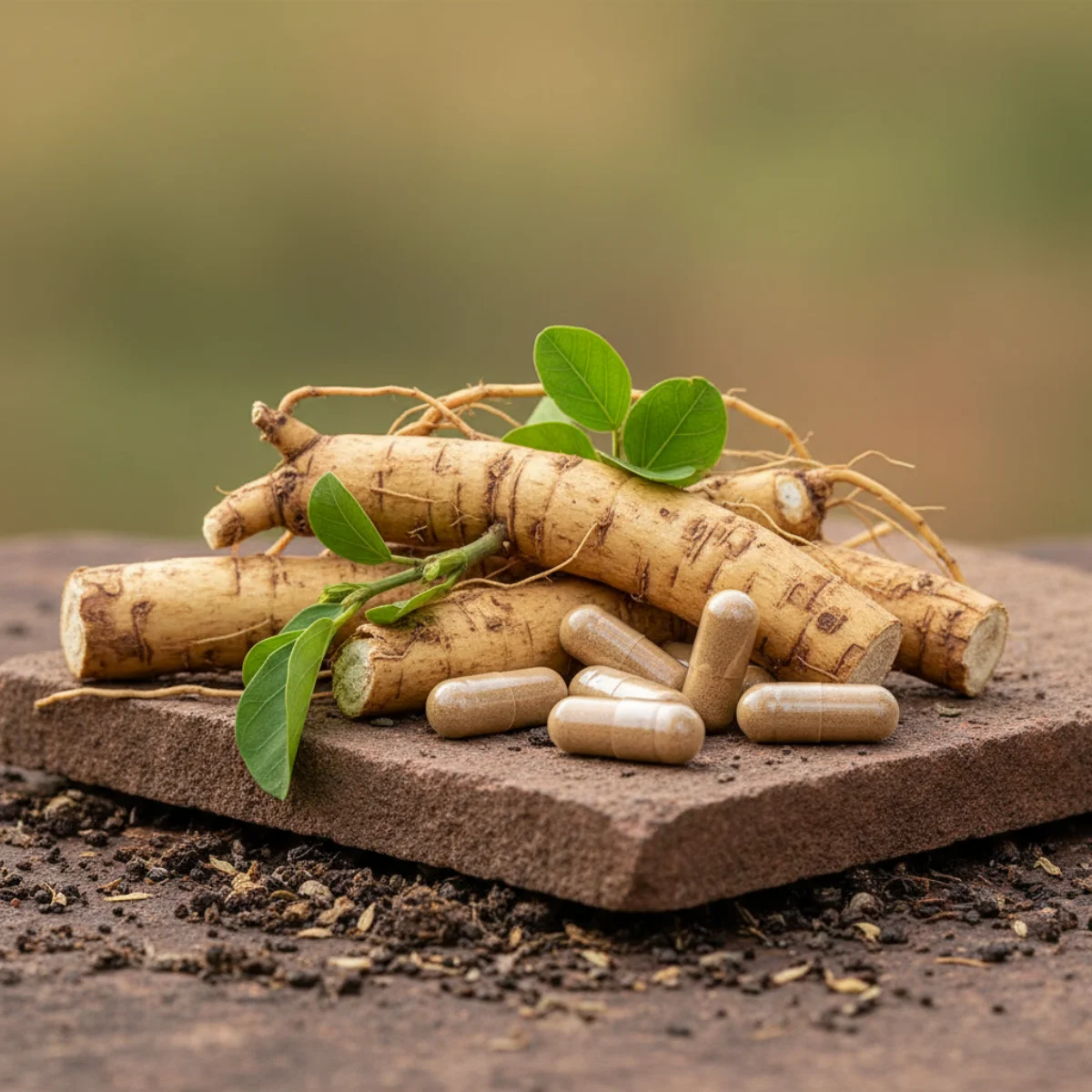
Ashwagandha (Withania somnifera) is an adaptogenic herb widely studied for its potential to support the body's response to stress. For most adults, an effective ashwagandha dosage typically ranges from 300 mg to 600 mg of a standardized extract daily, often divided into two doses. The key to its efficacy lies in its active compounds, withanolides, and the concentration of these compounds in a given supplement is a critical factor in determining the appropriate amount. While raw root powder might require higher doses, standardized extracts are generally preferred for their consistent potency and predictable effects, with benefits usually observed after several weeks of consistent use.
Understanding Ashwagandha: An Adaptogenic Overview
Ashwagandha (Withania somnifera), also known as Indian Ginseng or Winter Cherry, is a revered herb in Ayurvedic medicine, an ancient Indian system of healing. It belongs to a class of botanicals known as adaptogens, which are believed to help the body adapt to various stressors, both physical and psychological. Unlike stimulants, adaptogens aim to normalize physiological functions and restore balance without overstimulating or inhibiting them. The primary active compounds responsible for ashwagandha's therapeutic properties are called withanolides. These naturally occurring steroids are concentrated in the root of the plant and are often standardized in supplements to ensure consistent potency. The growing interest in ashwagandha stems from its traditional use and a burgeoning body of modern scientific research exploring its potential benefits across a range of health areas, including stress reduction, sleep improvement, and cognitive support. Understanding the nature of this powerful herb is the first step in determining an appropriate ashwagandha dosage.
The Science Behind Ashwagandha's Effects
Ashwagandha's adaptogenic effects are thought to be mediated through multiple complex biological pathways, allowing it to exert a broad range of physiological benefits. Research suggests that withanolides, the primary active compounds, interact significantly with the body's stress response system, particularly the hypothalamic-pituitary-adrenal (HPA) axis. The HPA axis is a neuroendocrine system that plays a central role in regulating the body's reaction to stress by controlling the release of cortisol, the primary stress hormone. By modulating the activity of the HPA axis, ashwagandha may help to normalize cortisol levels, thereby mitigating the physiological and psychological impacts of chronic stress. This adaptogenic action helps the body maintain homeostasis even when faced with various stressors.
Beyond its influence on the HPA axis, ashwagandha is also studied for its potential neuroprotective, anti-inflammatory, and antioxidant properties. Some research indicates it may support neurotransmitter balance, particularly by enhancing the activity of GABA (gamma-aminobutyric acid), which is known for its inhibitory and calming effects on the brain. This interaction could contribute to its reported benefits for anxiety reduction and improved sleep quality. Furthermore, preliminary studies suggest that withanolides may help protect neuronal cells from damage induced by oxidative stress and inflammation, potentially supporting cognitive function. Its antioxidant capabilities involve scavenging free radicals and upregulating endogenous antioxidant enzymes.
The herb's potential to support immune function is another area of interest. Some studies suggest it may modulate immune cell activity, though whether it stimulates or suppresses depends on the context and specific immune markers. For physical performance, mechanisms are thought to involve improvements in energy metabolism, reduction in exercise-induced muscle damage, and support for healthy testosterone levels in men, which can influence muscle strength and recovery. It's important to note that while these mechanisms are proposed and supported by a growing body of preclinical and human research, the full extent and precise interplay of ashwagandha's actions in the human body are still subjects of ongoing scientific investigation. The complexity of its phytochemical profile means it likely acts via multiple synergistic pathways rather than a single target.
Determining Your Optimal Ashwagandha Dosage
Establishing the correct ashwagandha dosage is crucial for achieving desired outcomes while minimizing potential side effects. Dosage recommendations can vary significantly based on the form of the supplement, the concentration of active compounds (withanolides), and the specific health goal.
Standardized Extracts vs. Raw Powder
The most common and generally recommended form of ashwagandha is a standardized extract. These extracts are processed to contain a specific percentage of withanolides, typically ranging from 2.5% to 10%. This standardization ensures a consistent amount of active compounds in each dose, making it easier to predict effects and compare products. For example, a 500 mg extract standardized to 5% withanolides provides 25 mg of active compounds. In contrast, raw ashwagandha root powder is less concentrated and its withanolide content can vary widely. While some traditional uses involve higher doses of raw powder, modern research and supplement formulations often favor standardized extracts for their potency and reliability. When choosing a supplement, always check the label for the withanolide percentage.
Dosage for Stress and Anxiety
One of the most well-researched applications of ashwagandha is its potential to reduce stress and anxiety. Clinical trials investigating these effects commonly use ashwagandha dosage ranging from 300 mg to 600 mg of a standardized extract (typically 2.5-5% withanolides) per day. This dose is often divided into two equal servings, taken with meals. For instance, 300 mg in the morning and 300 mg in the evening. Benefits for stress reduction are typically observed after 4-8 weeks of consistent daily supplementation. Some studies have used higher doses, up to 1000-1200 mg daily, but these are less common and should be approached with caution and under professional guidance.
Dosage for Sleep Support
Ashwagandha has gained popularity for its potential to improve sleep quality. For this purpose, an ashwagandha dosage of 300 mg to 600 mg of a standardized extract, taken once daily, usually about 30-60 minutes before bedtime, is commonly studied. Some individuals may find lower doses, around 250 mg, sufficient, while others might benefit from the higher end of the range. The calming effects are thought to contribute to easier onset of sleep and improved sleep architecture. Consistent use over several weeks is generally required to experience significant improvements in sleep patterns.
Dosage for Physical Performance and Recovery
Athletes and individuals seeking to enhance physical performance or aid recovery have also shown interest in ashwagandha. Studies on strength, endurance, and muscle recovery have utilized ashwagandha dosage in the range of 300 mg to 500 mg of standardized extract twice daily, or a single dose of 600 mg. Some research suggests that ashwagandha may help improve cardiorespiratory endurance (VO2 max) and muscle strength. For these benefits, consistent daily intake for at least 8-12 weeks is often recommended. The mechanisms are thought to include reduced exercise-induced stress and inflammation, and potential support for testosterone levels in men, though more robust evidence is needed for some of these claims.
Dosage for Cognitive Function
Emerging research suggests ashwagandha may offer benefits for cognitive function, including memory, attention, and processing speed. Doses used in cognitive studies are typically similar to those for stress and anxiety, ranging from 300 mg to 500 mg of a standardized extract daily. These studies often observe effects after several weeks to months of supplementation. While promising, the evidence for cognitive enhancement is still considered preliminary, and more large-scale human trials are needed to confirm these effects.
Administration: Timing, Form, and Duration
The optimal way to take ashwagandha depends on individual goals and tolerance.
- Timing: For general stress reduction and adaptogenic support, ashwagandha can be taken with meals to minimize potential digestive upset. If targeting sleep, taking it 30-60 minutes before bedtime is often recommended. Splitting the daily dose (e.g., morning and evening) can help maintain consistent levels in the body.
- Form: As discussed, standardized extracts are generally preferred. These are available in capsules, tablets, and sometimes powders. Liquid tinctures are also available, but their standardization can be more variable.
- Duration: Ashwagandha is typically taken consistently for several weeks or months to observe its full effects. While some individuals may feel subtle changes sooner, most benefits, particularly for stress and sleep, become apparent after 4-8 weeks. There is limited long-term safety data beyond 6-12 months, so periodic breaks or consultation with a healthcare provider for extended use may be prudent. For more detailed information on the herb itself, consider exploring our article on ashwagandha.
Potential Side Effects and Safety Considerations
Ashwagandha is generally considered safe for most healthy adults when taken at recommended dosages and for appropriate durations. However, like all dietary supplements, it can cause side effects in some individuals, and awareness of these is crucial.
Common mild side effects, typically associated with higher doses or individual sensitivity, include:
- Digestive Upset: Nausea, stomach discomfort, diarrhea, or vomiting can occur. This is often mitigated by taking ashwagandha with food rather than on an empty stomach, or by starting with a lower dose and gradually increasing it.
- Drowsiness/Sedation: Due to its potential calming and anxiolytic effects, some individuals may experience drowsiness or a feeling of sedation. While this can be beneficial for those seeking sleep support, it might be undesirable during daytime hours, especially if operating machinery or driving.
Less common but more serious side effects, though rare, warrant attention:
- Liver Issues: There have been isolated case reports of liver injury (hepatotoxicity) associated with ashwagandha use. However, these cases are exceedingly rare relative to the widespread use of the supplement, and it is often difficult to definitively establish ashwagandha as the sole causative agent, as other factors or concomitant medications might be involved. Nonetheless, individuals with pre-existing liver conditions should exercise caution and consult their physician.
- Thyroid Hormone Alteration: Ashwagandha may influence thyroid hormone levels. Some preliminary research suggests it might increase thyroid hormone production, which could be beneficial for individuals with subclinical hypothyroidism. However, this also means individuals with hyperthyroidism should strictly avoid ashwagandha, as it could potentially exacerbate their condition. Those on thyroid medication for hypothyroidism should also consult their doctor, as ashwagandha could theoretically alter the required dosage of their medication.
- Allergic Reactions: As with any botanical product, allergic reactions such as skin rashes, itching, or swelling are possible, though uncommon. Discontinue use if any signs of an allergic reaction appear.
- Blood Sugar and Blood Pressure Effects: Ashwagandha has been shown in some studies to have a mild effect on lowering blood sugar and blood pressure. While potentially beneficial for some, this effect could be problematic for individuals already on medications for diabetes or hypertension, potentially leading to additive effects and causing hypoglycemia (low blood sugar) or hypotension (low blood pressure). Close monitoring is advised in such cases.
It is always advisable to start with the lowest effective ashwagandha dosage to assess individual tolerance and gradually increase if needed and well-tolerated. Discontinue use if any concerning symptoms arise.
Who Should Exercise Caution or Avoid Ashwagandha?
While ashwagandha is generally safe, certain populations should avoid it or use it only under strict medical supervision:
- Pregnant and Breastfeeding Women: Ashwagandha is traditionally considered an abortifacient in high doses and should be avoided during pregnancy. There is insufficient safety data for breastfeeding mothers.
- Individuals with Autoimmune Diseases: Conditions like rheumatoid arthritis, lupus, Hashimoto's thyroiditis, and multiple sclerosis involve an overactive immune system. Ashwagandha may stimulate the immune system, potentially worsening symptoms of autoimmune diseases.
- Individuals on Immunosuppressants: Due to its potential immune-stimulating effects, ashwagandha may interfere with immunosuppressant medications.
- Individuals with Thyroid Disorders: As mentioned, ashwagandha can affect thyroid hormone levels. Those with hyperthyroidism should avoid it, and those with hypothyroidism or on thyroid medication should consult their doctor before use.
- Individuals on Sedative Medications: Given its potential to cause drowsiness, ashwagandha may enhance the effects of sedatives, anxiolytics, and alcohol, leading to excessive sedation.
- Individuals on Blood Sugar or Blood Pressure Medications: Ashwagandha's potential to lower blood sugar and blood pressure could lead to additive effects with medications, requiring careful monitoring.
- Individuals Undergoing Surgery: Ashwagandha might slow the central nervous system, potentially interfering with anesthesia and other medications used during and after surgery. It is generally recommended to stop ashwagandha at least two weeks before any scheduled surgery.
When to Consult a Healthcare Professional
It is always prudent to consult a healthcare professional before starting any new supplement, including ashwagandha, especially if you have pre-existing health conditions, are taking medications, or are pregnant or breastfeeding. A doctor or qualified nutritionist can help determine if ashwagandha is appropriate for you, advise on the correct ashwagandha dosage, and monitor for potential interactions or side effects. If you experience any adverse reactions, such as severe digestive upset, jaundice, or unusual fatigue, discontinue use and seek medical attention immediately. For more detailed information on the benefits and uses of this powerful adaptogen, refer to our comprehensive article on ashwagandha.