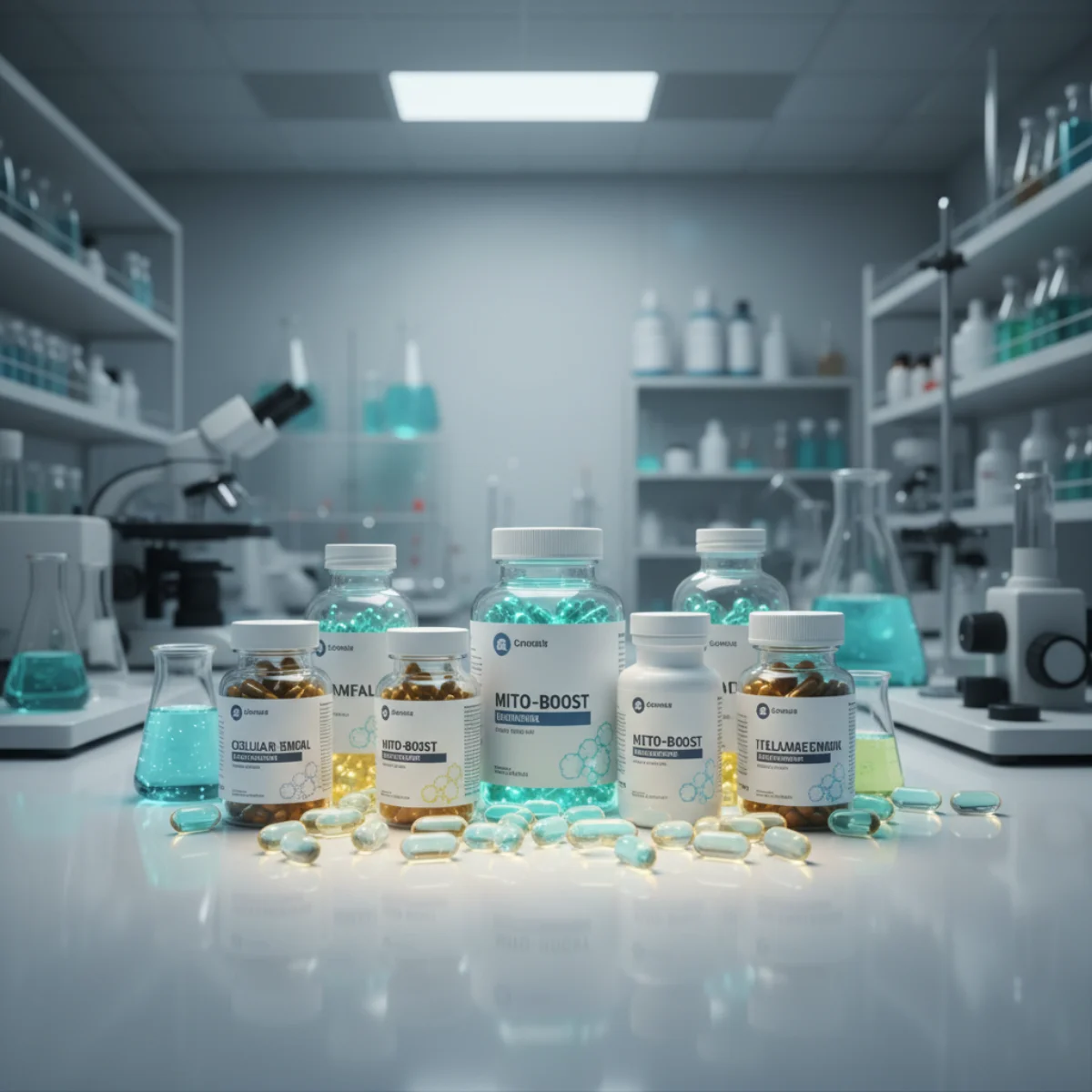
An anti-aging supplement stack is a strategic combination of dietary supplements chosen for their potential to support cellular health, combat age-related decline, and promote overall longevity. Rather than relying on a single compound, a stack aims to address multiple biological pathways involved in aging, offering a more comprehensive approach to maintaining vitality and well-being as we age. This article delves into the science behind key anti-aging compounds, their mechanisms of action, and practical considerations for building a personalized and effective supplement stack.
Understanding Anti-Aging and the Role of Supplements
Aging is a complex biological process characterized by a gradual decline in physiological function, leading to increased vulnerability to disease and eventual death. Scientists have identified several hallmarks of aging, including genomic instability, telomere attrition, epigenetic alterations, loss of proteostasis, deregulated nutrient sensing, mitochondrial dysfunction, cellular senescence, stem cell exhaustion, and altered intercellular communication. Each of these hallmarks represents a potential target for interventions aimed at slowing or even reversing aspects of the aging process.
Dietary supplements play a role by providing compounds that may support these biological pathways. While no supplement can stop aging entirely, certain ingredients are studied for their potential to modulate cellular processes, enhance repair mechanisms, reduce inflammation, and protect against oxidative damage. The goal of an anti-aging supplement stack is not to find a 'fountain of youth' but to support the body's intrinsic ability to maintain health and function for as long as possible, thereby extending healthspan – the period of life spent in good health.
Core Components of an Effective Anti-Aging Supplement Stack
Building a robust anti-aging supplement stack involves selecting compounds that target different aspects of the aging process. Here, we explore some of the most prominent and well-researched ingredients.
NAD+ Precursors: NMN and NR
Nicotinamide adenine dinucleotide (NAD+) is a vital coenzyme found in every cell of your body, essential for hundreds of metabolic processes, including energy production, DNA repair, and gene expression. NAD+ levels naturally decline with age, contributing to various age-related dysfunctions. NAD+ precursors like Nicotinamide Mononucleotide (NMN) and Nicotinamide Riboside (NR) are compounds that the body can convert into NAD+, thereby aiming to replenish declining levels.
- Mechanism: NMN and NR act as direct precursors to NAD+. By increasing the availability of these precursors, cells can synthesize more NAD+. Elevated NAD+ levels are thought to activate sirtuins (a family of proteins involved in cellular regulation and longevity) and poly-ADP-ribose polymerases (PARPs), which are crucial for DNA repair.
- Evidence: Animal studies have shown promising results, with NMN and NR improving various markers of aging, including mitochondrial function, insulin sensitivity, and physical endurance. Human trials are ongoing and have shown that these precursors can safely increase NAD+ levels in the blood. While direct evidence for extending human lifespan or healthspan is still preliminary, the cellular mechanisms are well-established.
- Dosing: Typical doses for NMN range from 250 mg to 1000 mg per day, while NR doses are often in the range of 300 mg to 1000 mg per day. It's often recommended to start with a lower dose and gradually increase.
- Safety: Both NMN and NR are generally considered safe with few reported side effects in human trials at common dosages. Mild digestive upset has been reported in some cases.
Sirtuin Activators: Resveratrol and Fisetin
Sirtuins are a family of proteins that play crucial roles in cellular health, metabolism, and longevity. They are often referred to as 'longevity genes' because of their involvement in DNA repair, inflammation, and energy metabolism. Sirtuin activators are compounds believed to enhance the activity of these proteins.
- Resveratrol: A polyphenol found in red wine, grapes, and berries. It's a well-known sirtuin activator, particularly SIRT1.
- Mechanism: Resveratrol is thought to mimic the effects of caloric restriction by activating sirtuins, which can lead to improved mitochondrial function, reduced inflammation, and enhanced cellular stress resistance.
- Evidence: Extensive animal research supports resveratrol's anti-aging potential, showing benefits in lifespan extension and healthspan improvement. Human studies are more mixed, with some showing benefits for cardiovascular health and glucose metabolism, while others have found less conclusive results for direct anti-aging effects.
- Dosing: Doses typically range from 250 mg to 1000 mg per day, often taken with a fatty meal to enhance absorption.
- Safety: Generally well-tolerated, but high doses can cause digestive upset. It may interact with blood thinners.
- Fisetin: A flavonoid found in strawberries, apples, and onions. It's gaining attention as a senolytic compound, meaning it can selectively eliminate senescent ('zombie') cells.
- Mechanism: Fisetin is believed to activate sirtuins and also acts as a senolytic, helping to clear old, dysfunctional cells that accumulate with age and contribute to inflammation and tissue damage.
- Evidence: Preliminary animal studies suggest fisetin can extend lifespan and improve health markers. Human research is still in early stages but shows promise for its senolytic properties.
- Dosing: Typical doses in studies range from 100 mg to 500 mg per day, often taken intermittently (e.g., for a few days each month) due to its senolytic action.
- Safety: Generally considered safe, but more human data is needed for long-term use.
Antioxidants: CoQ10 and Astaxanthin
Oxidative stress, caused by an imbalance between free radicals and antioxidants, is a major contributor to cellular damage and aging. Antioxidant supplements help neutralize free radicals, protecting cells from harm.
- Coenzyme Q10 (CoQ10): A vitamin-like substance found in every cell, crucial for energy production in the mitochondria and acting as a powerful antioxidant.
- Mechanism: CoQ10 is vital for the electron transport chain, the process by which cells generate ATP (energy). It also scavenges free radicals, protecting mitochondrial membranes and DNA from oxidative damage.
- Evidence: CoQ10 levels decline with age. Supplementation is well-established for supporting cardiovascular health and reducing oxidative stress. Some studies suggest benefits for energy levels and neurological health.
- Dosing: Typical doses range from 100 mg to 300 mg per day, often taken with food for better absorption (ubiquinol form is more bioavailable).
- Safety: Generally safe and well-tolerated. May interact with blood thinners.
- Astaxanthin: A potent carotenoid pigment found in microalgae, salmon, and shrimp. It's considered one of nature's most powerful antioxidants.
- Mechanism: Astaxanthin's unique molecular structure allows it to span cell membranes, providing comprehensive protection against oxidative stress and inflammation. It's also believed to support mitochondrial function.
- Evidence: Research indicates astaxanthin can improve skin health (reducing wrinkles and improving elasticity), support eye health, enhance athletic performance, and reduce inflammation. Its anti-aging benefits are largely attributed to its antioxidant and anti-inflammatory properties.
- Dosing: Common doses range from 4 mg to 12 mg per day.
- Safety: Very safe with no significant side effects reported at recommended doses.
Structural Support: Collagen and Vitamin D
Maintaining the integrity of tissues and bones is crucial for healthy aging. Collagen and Vitamin D play significant roles in this aspect.
- Collagen: The most abundant protein in the human body, providing structure to skin, bones, tendons, ligaments, and other connective tissues. Natural collagen production declines with age.
- Mechanism: Supplementing with hydrolyzed collagen peptides provides the building blocks (amino acids) necessary for the body to synthesize its own collagen. This can support skin elasticity, joint health, and bone density.
- Evidence: Numerous studies support collagen supplementation for improving skin hydration and elasticity, reducing joint pain, and potentially increasing bone mineral density.
- Dosing: Typically 10-20 grams per day, often mixed into beverages.
- Safety: Generally very safe with minimal side effects.
- Vitamin D: A fat-soluble vitamin essential for bone health, immune function, and numerous other physiological processes. Many people are deficient, especially as they age.
- Mechanism: Vitamin D plays a critical role in calcium absorption and bone mineralization. It also modulates immune responses, reduces inflammation, and influences cell growth and differentiation, all of which are relevant to healthy aging.
- Evidence: Robust evidence links adequate Vitamin D levels to reduced risk of osteoporosis, improved immune function, and a lower risk of certain chronic diseases. Its role in overall health and longevity is well-established.
- Dosing: Doses vary widely based on individual needs and baseline levels, but 1000-5000 IU per day is common. Regular testing of blood levels is recommended.
- Safety: Generally safe at recommended doses. High doses can lead to toxicity, so monitoring is important.
Dosing, Bioavailability, and Synergistic Effects
When creating an anti-aging supplement stack, understanding dosing, bioavailability, and potential synergies is crucial for maximizing benefits and ensuring safety.
Dosing Considerations
The 'right' dose for any supplement can vary significantly based on individual factors like age, weight, genetics, diet, and existing health conditions. It's often prudent to start with the lower end of the recommended dosage range and gradually increase, monitoring for any effects or side effects. Always adhere to manufacturer guidelines unless advised otherwise by a healthcare professional.
Bioavailability Matters
Bioavailability refers to the proportion of a supplement that enters the circulation when introduced into the body and is thus able to have an active effect. Some compounds, like curcumin (from turmeric) or resveratrol, have inherently low bioavailability, meaning much of what you ingest may not be absorbed. Manufacturers often address this through various formulations:
- Liposomal delivery: Encapsulating compounds in lipid spheres to protect them from digestion and enhance absorption.
- Micronization: Reducing particle size to increase surface area for absorption.
- Specific forms: For example, ubiquinol is a more bioavailable form of CoQ10 than ubiquinone.
- Combination with absorption enhancers: Piperine (from black pepper) is often added to curcumin supplements to boost absorption.
When selecting supplements for your anti-aging supplement stack, consider formulations designed for enhanced bioavailability to ensure you're getting the most out of your investment.
Synergistic Effects
The concept of a 'stack' implies that the combined effect of multiple supplements is greater than the sum of their individual effects. This synergy can occur when compounds:
- Target different pathways: For example, NMN boosts NAD+ for energy and DNA repair, while resveratrol activates sirtuins, which are NAD+-dependent.
- Enhance each other's absorption or stability: Some antioxidants may regenerate others.
- Address different aspects of a complex problem: One supplement might reduce inflammation, while another supports mitochondrial function, both contributing to anti-aging.
For example, combining an NAD+ precursor like NMN with a sirtuin activator like resveratrol is a popular strategy, as sirtuins require NAD+ to function effectively. Similarly, pairing antioxidants like CoQ10 and astaxanthin can provide broader protection against oxidative stress.
Safety Considerations and Potential Interactions
While many anti-aging supplements are generally considered safe, it's crucial to approach supplementation with caution and awareness. Always consult with a healthcare professional before starting any new supplement regimen, especially if you have existing health conditions, are pregnant or breastfeeding, or are taking prescription medications.
General Safety Tips:
- Quality Matters: Choose reputable brands that provide third-party testing for purity and potency. Look for certifications that indicate good manufacturing practices (GMP).
- Start Low, Go Slow: Begin with the lowest effective dose and gradually increase if needed, while monitoring for any adverse reactions.
- Listen to Your Body: Pay attention to how you feel. If you experience any unusual symptoms, discontinue use and consult your doctor.
- Don't Overdose: More is not always better. Exceeding recommended dosages can increase the risk of side effects and may not provide additional benefits.
Potential Interactions:
Some supplements can interact with medications or other supplements. For instance:
- Blood Thinners: Supplements like resveratrol, CoQ10, and high-dose omega-3 fatty acids can have mild blood-thinning effects and may interact with anticoagulant medications (e.g., warfarin).
- Diabetes Medications: Some supplements, such as alpha-lipoic acid or berberine (often considered for anti-aging due to metabolic benefits), can affect blood sugar levels and may require adjustment of diabetes medication.
- Immunosuppressants: Supplements that modulate immune function could potentially interfere with immunosuppressant drugs.
- Thyroid Medications: Certain supplements might affect thyroid hormone levels or absorption of thyroid medication.
A comprehensive discussion with your doctor or pharmacist about all supplements and medications you are taking is essential to identify and manage potential interactions. For a deeper dive into specific ingredients and their safety profiles, consider exploring our dedicated pages on individual anti-aging supplements.
Building Your Personalized Anti-Aging Supplement Stack
There is no one-size-fits-all anti-aging supplement stack. The ideal combination depends on your individual health goals, current health status, lifestyle, and genetic predispositions. Here’s a structured approach to building your personalized stack:
1. Assess Your Baseline Health and Goals:
- Current Health: Are there specific areas you want to support (e.g., skin health, joint mobility, energy levels, cognitive function)?
- Lifestyle Factors: Diet, exercise, sleep, stress levels all impact aging. Supplements work best when foundational lifestyle factors are optimized.
- Medical History: Any chronic conditions, medications, or family history of age-related diseases should be discussed with a healthcare professional.
- Goals: Are you aiming for general vitality, specific aesthetic improvements, or supporting cognitive longevity?
2. Prioritize Foundational Supplements:
Many experts suggest starting with supplements that address widespread deficiencies or provide broad-spectrum support:
- Vitamin D: Essential for bone health, immune function, and overall well-being. Get your levels tested.
- Omega-3 Fatty Acids: EPA and DHA are crucial for brain, heart, and joint health, and have anti-inflammatory properties.
- Magnesium: Involved in over 300 enzymatic reactions, often deficient in modern diets.
3. Consider Targeted Anti-Aging Compounds:
Once your foundation is solid, you can add more specific anti-aging compounds based on your goals and research.
- For Cellular Energy & DNA Repair: NAD+ precursors like NMN or NR.
- For Sirtuin Activation & Cellular Resilience: Resveratrol, Fisetin.
- For Antioxidant Protection: CoQ10, Astaxanthin, Alpha-Lipoic Acid.
- For Structural Integrity: Collagen peptides.
4. Research and Select High-Quality Products:
As mentioned, product quality is paramount. Look for:
- Third-Party Testing: Ensures purity, potency, and absence of contaminants.
- Transparent Sourcing: Reputable brands are open about where their ingredients come from.
- Appropriate Formulations: Consider bioavailability (e.g., ubiquinol CoQ10, liposomal forms).
5. Introduce Supplements Gradually and Monitor:
Don't start all new supplements at once. Introduce one new supplement every few weeks. This allows you to:
- Identify any adverse reactions to a specific supplement.
- Gauge the effectiveness of each addition.
- Adjust dosages as needed.
6. Regular Review with a Healthcare Professional:
Periodically review your supplement stack with your doctor or a qualified nutritionist. They can help assess your progress, suggest adjustments, and ensure your stack remains safe and appropriate for your evolving health needs.
When to Consult a Healthcare Professional
While dietary supplements can be a valuable part of a proactive health strategy, they are not a substitute for professional medical advice. It is always recommended to consult with a qualified healthcare professional before starting any new anti-aging supplement stack, especially under the following circumstances:
- Existing Medical Conditions: If you have any chronic health conditions such as heart disease, diabetes, kidney disease, liver disease, autoimmune disorders, or cancer.
- Prescription Medications: If you are currently taking any prescription drugs, as supplements can interact with medications, potentially altering their effectiveness or increasing side effects. This includes blood thinners, blood pressure medications, diabetes drugs, immunosuppressants, and others.
- Pregnancy or Breastfeeding: The safety of many supplements during pregnancy and breastfeeding has not been established.
- Upcoming Surgery: Certain supplements can affect blood clotting or interact with anesthesia. Inform your surgeon and anesthesiologist about all supplements you are taking well in advance of any procedure.
- Experiencing Side Effects: If you develop any adverse reactions or unusual symptoms after starting a supplement, discontinue use and seek medical advice immediately.
- Uncertainty About Dosing or Product Quality: If you are unsure about the appropriate dosage for a particular supplement or have concerns about the quality or purity of a product.
- Seeking Personalized Advice: For tailored recommendations based on your unique health profile, genetic predispositions, and specific anti-aging goals. A healthcare provider can help you navigate the vast array of options and ensure your stack is both safe and effective for you.
A healthcare professional can provide personalized guidance, help you interpret scientific evidence, and ensure that your anti-aging supplement stack complements your overall health plan without causing harm.