L-Theanine for Cats: Evidence, Dosage & Safety
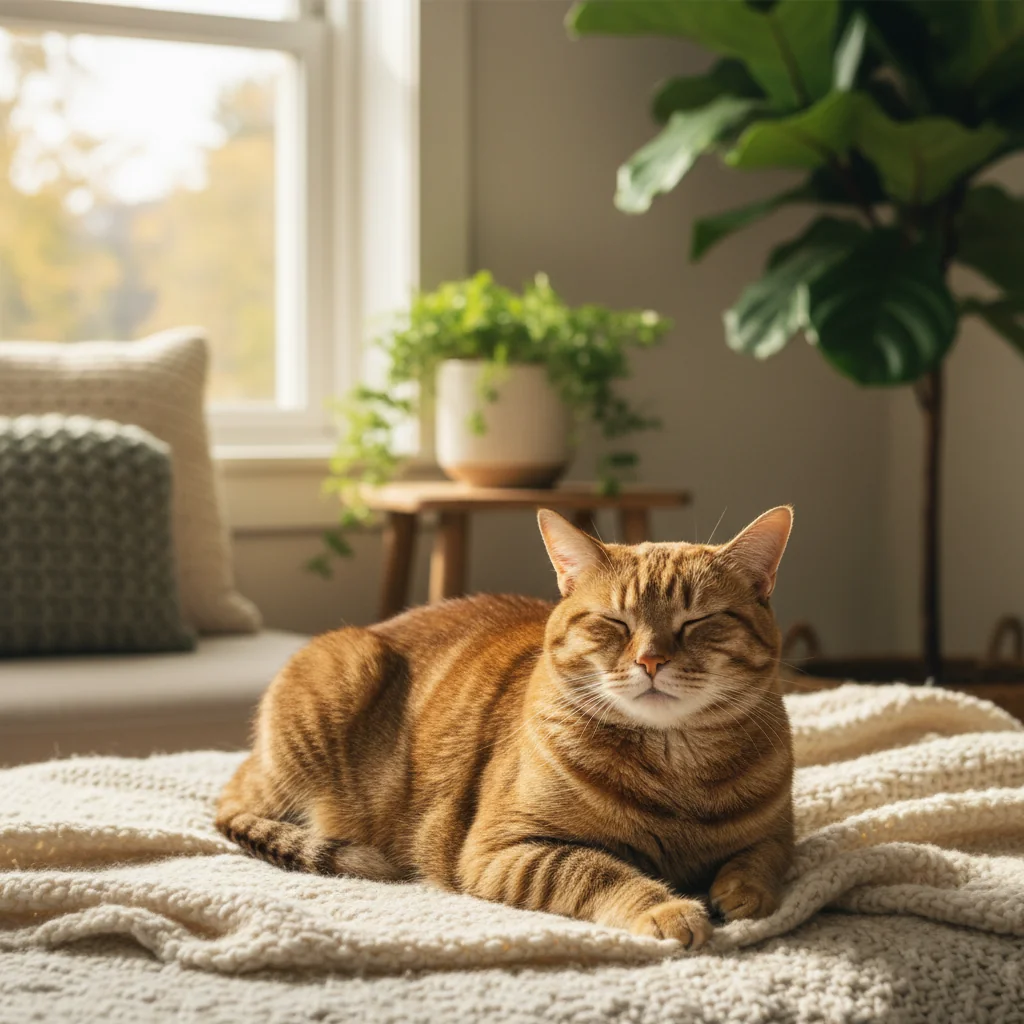
L-theanine is an amino acid that may help reduce feline anxiety and promote calm behavior. Learn dosing, safety concerns, and when to consult your vet.
What Is L-Theanine and How Does It Work in Cats?
L-theanine is a non-protein amino acid naturally found in tea plants. In the brain, it may influence neurotransmitters like GABA and dopamine, potentially promoting a state of calm alertness without sedation. This differs from sedative medications, which can cause drowsiness or impair your cat's normal behavior and reflexes.
In cats, the theoretical mechanism mirrors what has been observed in humans and dogs: L-theanine may cross the blood–brain barrier and modulate glutamate and GABA signaling, two key systems involved in anxiety regulation. However, no published studies have directly measured this effect in cats. Most feline supplement recommendations extrapolate from human pharmacology and small canine trials.
Current Evidence for L-Theanine in Cats
The evidence landscape for L-theanine in cats is limited:
- Human studies: Multiple randomized controlled trials in humans show L-theanine (100–200 mg) reduces anxiety markers and promotes alpha-wave activity in the brain—a sign of calm focus—without causing drowsiness.
- Canine studies: A small RCT in dogs (n=19) found that a multi-ingredient supplement containing L-theanine, whey protein hydrolysate, and B vitamins reduced stress behaviors during a noise challenge. However, this was a blend, not L-theanine alone.
- Feline studies: No peer-reviewed RCTs exist examining L-theanine alone or in combination for anxiety in cats. Clinical use is based on extrapolation and case reports in veterinary practice.
This gap means your veterinarian cannot point to cat-specific efficacy data—yet anecdotal reports from cat owners and some veterinarians suggest potential benefit for mild to moderate situational anxiety (e.g., during travel, vet visits, or environmental changes). The safety profile appears favorable, but definitive dosing and long-term outcome data in felines remain absent.
Dosing L-Theanine for Cats: Weight-Based Guidance
Because no feline pharmacokinetic studies exist, dosing is largely empirical and based on human body-weight scaling and veterinary extrapolation. Always consult your veterinarian before starting L-theanine, as individual cats vary widely in metabolism and sensitivity.
General dosing framework:
- Small cats (6–10 lbs / 2.7–4.5 kg): 25–50 mg L-theanine once to twice daily
- Average cats (10–15 lbs / 4.5–7 kg): 50–100 mg L-theanine once to twice daily
- Large cats (15+ lbs / 7+ kg): 75–150 mg L-theanine once to twice daily
Examples:
- A 12-lb tabby cat experiencing anxiety during fireworks might receive 75 mg once or twice on that day.
- A 8-lb senior cat with chronic mild anxiety might receive 50 mg daily as a maintenance dose.
Some multi-ingredient anxiety supplements for cats combine L-theanine with other compounds (e.g., L-tryptophan, passionflower, or taurine) at lower individual doses. Follow the label if your product is a blend, and ask your vet whether the total formulation is appropriate for your cat's weight and health status.
Potential Side Effects and Safety Considerations
Common side effects (rare but reported in humans and dogs):
- Mild gastrointestinal upset (nausea, loss of appetite)
- Drowsiness (though L-theanine is typically non-sedating)
- Headache (cats cannot report this, but behavioral changes may suggest discomfort)
Cat-specific safety concerns:
- Hepatic or renal disease: Cats with compromised liver or kidney function may metabolize L-theanine more slowly. Dose reduction or avoidance may be necessary. Discuss with your vet if your cat has elevated creatinine, BUN, or liver enzymes.
- Hypotension: In rare cases, L-theanine may lower blood pressure slightly. Cats with cardiovascular disease or on blood-pressure-lowering medications require careful monitoring.
- Drug interactions: L-theanine may potentiate the effect of sedatives, anxiolytics, or GABA-enhancing drugs (e.g., gabapentin, alprazolam). Inform your vet of all medications and supplements before starting L-theanine.
- Breed-specific considerations: No known breed predispositions to L-theanine sensitivity have been documented, but individual cats vary. Start with a lower dose and monitor for 1–2 weeks before adjusting upward.
When to stop and seek immediate veterinary care:
- Persistent vomiting or loss of appetite lasting >24 hours
- Excessive lethargy or inability to walk steadily
- Tremors, seizures, or behavioral changes (aggression, confusion)
- Difficulty breathing or pale gums (signs of cardiovascular distress)
Drug Interactions and Contraindications
L-theanine has a relatively benign interaction profile, but inform your veterinarian if your cat is on:
- Sedatives and anxiolytics: Gabapentin, alprazolam, diazepam, or other CNS depressants may have additive effects.
- Blood-pressure medications: ACE inhibitors or beta-blockers; L-theanine may theoretically lower BP further.
- Antithyroid drugs: Cats with hyperthyroidism on methimazole or propranolol may require dose adjustment if L-theanine is added.
- Stimulants or corticosteroids: May counteract the calming effect of L-theanine, though no direct antagonism is documented.
Avoid combining L-theanine with herbal anxiolytics (e.g., valerian, chamomile) without veterinary approval, as the cumulative sedating or hypotensive effect is unpredictable in cats.
Choosing a Quality L-Theanine Product for Cats
Not all supplements are created equal. When selecting an L-theanine product:
- Look for third-party testing: NASC (National Animal Supplement Council) certification or testing by USP, ConsumerLab, or similar bodies ensures the label claim matches the actual dose.
- Verify the form: L-theanine is available as a powder, capsule, tablet, or treat. Treats or flavored powders may appeal to picky cats, but verify they contain no xylitol, excess salt, or artificial sweeteners harmful to cats.
- Check the source: Reputable manufacturers provide a Certificate of Analysis (CoA) upon request, showing purity and absence of contaminants or heavy metals.
- Single-ingredient vs. blend: A single-ingredient L-theanine allows you and your vet to isolate effects and adjust dose precisely. Multi-ingredient blends may offer synergy but make it harder to troubleshoot side effects.
- Storage: Keep L-theanine in a cool, dry place. Some formulations are light-sensitive and should be stored in opaque containers.
- Expiration date: Always check the expiration date; expired supplements may lose potency or degrade into harmful byproducts.
Ask your veterinarian for product recommendations or referrals to trusted veterinary supplement brands that they know meet quality and safety standards.
When to Consult Your Veterinarian
Before starting L-theanine, your vet should rule out underlying medical and behavioral causes of anxiety:
- Medical workup: Hyperthyroidism, chronic pain, urinary tract infections, and neurological conditions can mimic anxiety. Blood work and urinalysis are often warranted in older cats or those with systemic signs.
- Behavioral assessment: Fear, stress, or aggression may require dedicated behavioral modification, pheromone therapy (Feliway), environmental enrichment, or anti-anxiety medication alongside or instead of L-theanine.
- Risk factors: If your cat is very young, geriatric, pregnant, or nursing, or has liver, kidney, cardiac, or thyroid disease, L-theanine may not be appropriate without modification.
Red-flag symptoms requiring immediate attention:
- Sudden change in appetite, water intake, or litter-box habits
- Excessive drooling, vomiting, or diarrhea
- Disorientation, difficulty moving, or collapse
- Breathing difficulties or pale/blue mucous membranes
Keep a symptom diary for 1–2 weeks after starting L-theanine so you and your vet can objectively assess whether anxiety has improved and whether any side effects are emerging.
Frequently asked questions
How long does it take for L-theanine to work in cats?
In humans, L-theanine reaches peak brain levels within 30–60 minutes of oral ingestion. However, no pharmacokinetic studies exist in cats. Anecdotal reports suggest cats may show calming effects within 30 minutes to 2 hours, but onset is variable. Some cats show benefit over several days of regular dosing, while others show minimal response. Discuss realistic expectations and a trial period (2–4 weeks) with your vet.
Can I give L-theanine long-term, or only for situational anxiety?
L-theanine can theoretically be used for both situational (e.g., thunderstorms, vet visits) and chronic anxiety. However, long-term safety data in cats is absent. Some veterinarians recommend using it intermittently for acute stressors; others suggest maintenance dosing for chronically anxious cats. Regular check-ins with your vet—including periodic blood work to monitor liver and kidney function—are wise if your cat takes L-theanine daily for months or years.
What if my cat doesn't improve after 2–4 weeks on L-theanine?
If your cat shows no improvement, consider: (1) underlying medical conditions not yet addressed (re-consult your vet), (2) inadequate dose (though increasing beyond 150 mg/cat/day is not recommended without vet guidance), (3) behavioral issues requiring specialized training or environmental changes, or (4) L-theanine may simply not be effective for your cat. Your vet may recommend switching to a prescription anxiolytic (e.g., gabapentin or buspirone) or exploring pheromone therapy and environmental enrichment more deeply.
Is L-theanine safe if my cat is on other medications?
L-theanine has a low interaction profile, but it may potentiate sedatives or lower blood pressure. Always inform your veterinarian of every medication and supplement your cat takes before starting L-theanine. This includes over-the-counter treatments, herbal remedies, and other supplements. Your vet can assess individual risk and recommend dose timing (e.g., giving L-theanine and gabapentin at separate times if interaction risk is suspected).
What happens if my cat accidentally ingests too much L-theanine?
L-theanine has low acute toxicity in mammals. Overdose in cats is not well-documented, but excessive doses might cause gastrointestinal upset, excessive drowsiness, or mild hypotension. If your cat ingests a large overdose (>500 mg for an average cat), contact your veterinarian or emergency poison control (e.g., Pet Poison Helpline). Treatment is typically supportive; there is no antidote. Most cats recover without intervention if the dose is not extremely high.
Can kittens or senior cats safely take L-theanine?
No published data exist for L-theanine safety in kittens or geriatric cats. Kittens (under 6 months) have immature liver function and may metabolize L-theanine unpredictably—avoid without explicit veterinary approval. Senior cats (>10 years) with declining kidney or liver function are at higher risk for accumulation; lower doses and frequent monitoring are advisable. In both age groups, a veterinary check-up and baseline blood work are essential before starting any supplement.