Best Hairball Supplements for Cats: Evidence-Based Options to Support Digestive Health
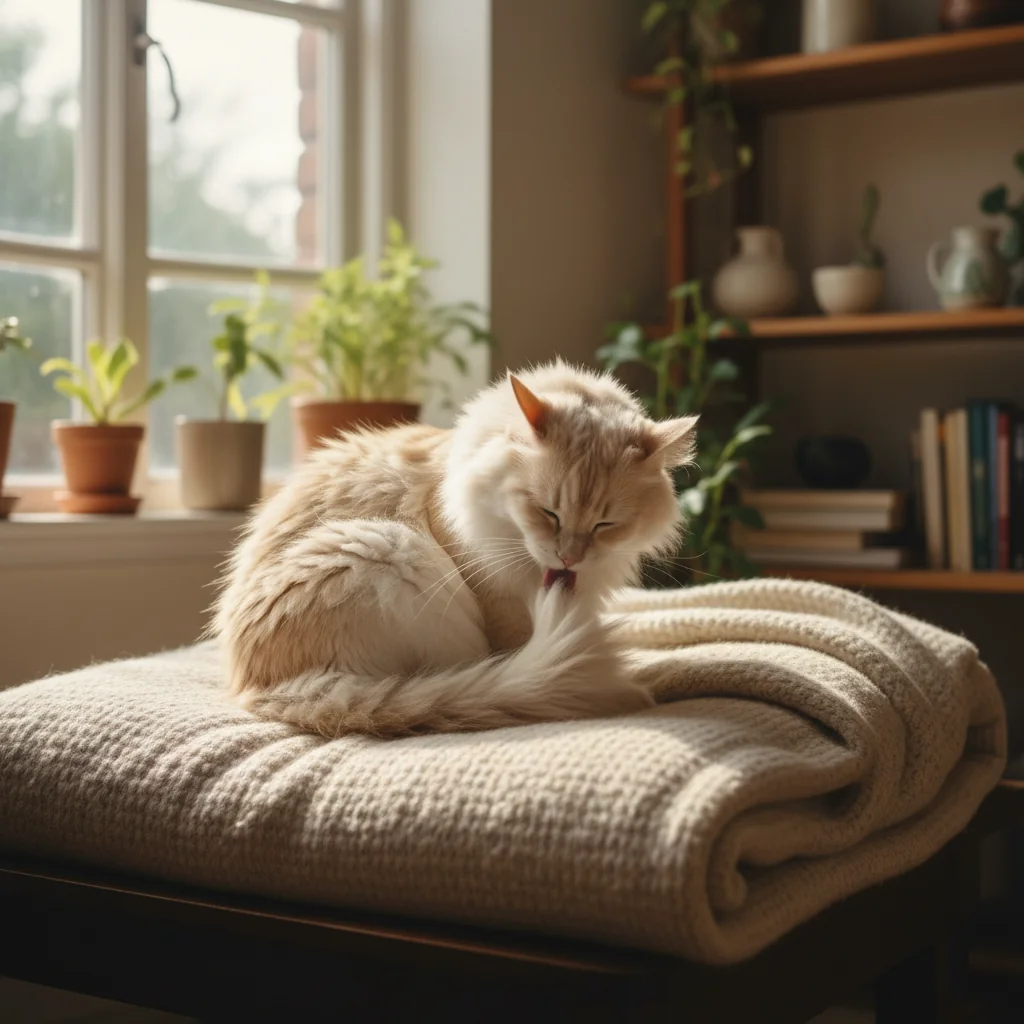
Explore evidence-based hairball supplements for cats, including psyllium husk, slippery elm, and probiotics. Learn dosing, safety considerations, and how to choose quality products.
What Are Hairball Supplements and How Do They Work in Cats?
Hairballs form when cats ingest loose hair during grooming, and that hair accumulates in the digestive tract instead of passing through in stool. Unlike humans, cats cannot vomit as a controlled reflex; a hairball that causes obstruction or chronic regurgitation can signal a serious problem requiring veterinary intervention.
Hairball supplements typically work through two mechanisms: bulking agents (like psyllium husk) increase stool volume and promote intestinal transit, helping hair move through the GI tract, and lubricating or soothing agents (like slippery elm or mineral oil) coat the digestive lining and may ease passage. Some formulations include probiotics to support healthy gut flora, though evidence specifically in cats remains limited.
Critical first step: Always have your veterinarian rule out underlying causes of hairball problems—dental disease, GI motility disorders, food allergies, or true obstructions—before starting any supplement.
Evidence for Hairball Supplement Efficacy in Cats
The evidence landscape for hairball supplements in cats is honest but modest. Most published research comes from small, uncontrolled studies or manufacturer-sponsored trials, rather than large, blinded randomized controlled trials (RCTs).
Psyllium Husk
Psyllium is a soluble fiber extracted from Plantago ovata seed husks. Several small feline studies (n=15–30 cats per group) published in veterinary dermatology and nutrition journals suggest psyllium may increase fecal bulk and reduce hairball vomiting episodes by 20–40% when added to diet or given as a standalone supplement. A limited study in the Journal of Feline Medicine and Surgery (JFMS) reported that cats receiving psyllium showed modest improvements in coat quality and reduced regurgitation over 8 weeks, though the effect size was small. Important caveat: most research involved cats already predisposed to hairballs (long-haired breeds); evidence in short-haired cats is scarce.
Slippery Elm Bark
Slippery elm (Ulmus fulva) contains mucilage that coats and soothes the GI tract. Data in cats is even more limited than psyllium—primarily anecdotal reports and one small open-label study showing reduced vomiting in a cohort of 12 cats over 6 weeks. No RCTs in cats exist. Extrapolation from human and canine data suggests a supportive role, but feline-specific efficacy remains unproven. Use should be guided by veterinary recommendation.
Probiotics
Probiotics (live beneficial bacteria) are promoted to restore healthy gut microbiota and improve GI motility. The feline gut microbiome differs significantly from the human and canine microbiomes; most commercial "cat" probiotics are not rigorously tested in controlled feline trials. No published RCTs in cats demonstrate that any probiotic strain prevents hairballs. Observational data suggest some cats tolerate them well, and they may support overall digestive health, but hairball-specific benefits are unproven. Choose formulations specifically labeled for cats (not dog or human probiotics adapted for cats).
Mineral Oil and Other Lubricants
Mineral oil has a long history of use in cats and lubricates the intestinal tract, easing hairball passage. However, chronic use carries risks (see Side Effects section). No modern RCTs validate routine mineral-oil supplementation for hairball prevention; veterinarians typically reserve it for acute situations under clinical guidance.
Dosing by Body Weight
Hairball supplements must be dosed according to your cat's body weight. Always start at the lower end and increase gradually while monitoring for side effects.
Psyllium Husk
- Typical dose: 1–3 g total daily (usually divided into 1–2 doses)
- Small cat (3–5 kg / 6–11 lb): 0.5–1 g once or twice daily
- Average cat (5–7 kg / 11–15 lb): 1–1.5 g once or twice daily
- Large cat (7–10 kg / 15–22 lb): 1.5–2.5 g once or twice daily
- Very large cat (>10 kg / >22 lb): 2–3 g once or twice daily
- Form: Powder mixed with wet food or water, or capsule opened and sprinkled over food. Never give dry powder directly; always hydrate to prevent choking or intestinal blockage.
Slippery Elm Bark
- Typical dose: 400–500 mg once or twice daily
- Small cat (3–5 kg): 200–300 mg once daily
- Average cat (5–7 kg): 300–400 mg once daily
- Large cat (7–10 kg): 400–500 mg once or twice daily
- Form: Powder mixed with warm water to form a paste, then added to food. Do not mix dry.
Probiotics (Species-Specific for Cats)
- Typical dose: 1–5 billion CFU daily, depending on the strain and product
- All body weights: Follow product label; most feline-specific probiotics are not weight-based
- Form: Powder sachet, capsule, or paste. Mix with wet food to encourage consumption.
Important: Introduce any new supplement gradually over 5–7 days, increasing to full dose while monitoring litter-box habits and appetite. Abrupt dose increases raise the risk of constipation or GI upset.
Side Effects, Contraindications, and Drug Interactions
Common Side Effects
- Constipation: The most frequent adverse effect, especially with psyllium or mineral oil. Ensure adequate water intake; encourage hydration with wet food, broths, or water fountains. If constipation persists beyond 2–3 days, contact your vet.
- Diarrhea or loose stool: May occur if the dose is too high or introduced too quickly. Reduce dose or discontinue temporarily, then retry at lower dose.
- Appetite suppression or nausea: Some cats refuse supplements mixed into food. Try different foods or forms (e.g., capsules vs. powder).
- Vomiting: Rare but signals intolerance; discontinue and contact your vet.
Contraindications and When NOT to Use
- Suspected GI obstruction: Do not give any supplement if your cat has signs of obstruction (persistent vomiting, no defecation for >48 hours, abdominal pain, lethargy). Seek emergency veterinary care immediately.
- Cats with megacolon or colonic motility disorders: Fiber supplements may worsen stasis. Consult your vet before use.
- Post-surgical cats: Wait 2–3 weeks after abdominal surgery before introducing any new supplement unless approved by your veterinarian.
- Cats with inflammatory bowel disease (IBD) or chronic diarrhea: Fiber can exacerbate symptoms. Discuss with your veterinarian before use.
- Mineral oil in elderly or debilitated cats: Aspiration risk is higher; avoid unless specifically recommended by your vet.
Drug Interactions
- Fiber supplements (psyllium, slippery elm): May reduce absorption of oral medications if given simultaneously. Separate supplement and medication administration by at least 2 hours.
- Mineral oil: Can impair absorption of fat-soluble vitamins (A, D, E, K) and some medications. Do not use concurrently with prescription medications without veterinary approval.
- Probiotics: No significant interactions documented, but avoid combining with antibiotics at the same time; space them 2+ hours apart.
How to Choose a Quality Hairball Supplement for Cats
Look for These Quality Markers
- NASC certification: The National Animal Supplement Council (NASC) seal indicates the product has met quality-assurance standards. Check the NASC directory online.
- Third-party testing: Reputable manufacturers test their products through independent labs (ConsumerLab, USP, or NSF). Certificates of analysis should be available upon request.
- Species-specific formulations: Avoid generic "pet" supplements; choose products explicitly formulated and tested for cats. Feline and canine GI physiologies differ.
- Clear ingredient sourcing: The label should list the origin of key ingredients (e.g., "psyllium husk from India," "slippery elm bark harvested in North America").
- Expiration dates and lot codes: Probiotics, in particular, degrade rapidly; ensure a recent manufacture date and refrigeration instructions if applicable.
- No artificial additives: Avoid products with xylitol, artificial colors, or unnecessary fillers—all potential toxins or irritants for cats.
Forms Designed for Feline Use
- Powders: Most flexible; can be mixed into wet food. Ensure they hydrate properly before giving (never dry).
- Capsules: Can be opened and sprinkled, though some cats resist the taste. Capsules are easy to portion by weight.
- Pastes or gels: Often flavored to encourage intake; check ingredients for cat-toxic compounds (garlic, onion, essential oils).
- Treats or chews: Limited evidence for efficacy; often high in calories and low in active ingredient. Use as an adjunct only.
When to Contact Your Veterinarian
Hairball supplements are meant to support long-term digestive health, not replace professional veterinary care. Contact your vet immediately if your cat experiences:
- Persistent vomiting or regurgitation (especially if bloody or contains undigested food)
- No bowel movement for >48 hours despite adequate supplementation and water intake
- Signs of abdominal pain: hunched posture, reluctance to move, crying, or guarding the belly
- Dramatic appetite loss or weight loss over 1–2 weeks
- Lethargy or weakness that coincides with starting a supplement
- Diarrhea or loose stool lasting >3 days despite dose reduction
- Behavioral changes: increased stress, hiding, or signs of pain
Also contact your vet if your cat does not improve after 4–6 weeks of consistent supplementation at the correct dose. Chronic hairball vomiting can indicate underlying disease (IBD, food allergy, thyroid dysfunction, or early kidney disease in older cats) that requires medical investigation.
Key Takeaway: A Holistic Approach
Hairball supplements work best as part of a comprehensive strategy: regular brushing (3–5 times weekly for long-haired cats), a high-quality diet with adequate moisture and fiber, and adequate water intake all reduce the frequency of hairballs. Supplements can support these efforts, but they are not standalone solutions. Always consult your veterinarian before starting any supplement, and monitor your cat closely for adverse effects or lack of improvement. When chosen carefully and dosed correctly, evidence-supported supplements like psyllium husk may help some cats manage hairballs and maintain digestive comfort.
Frequently asked questions
How do I know if my cat's hairball problem needs medical attention versus a supplement?
Occasional hairballs (once monthly or less) are normal in cats with longer hair. However, frequent vomiting (weekly or more), vomiting unrelated to hairballs, appetite loss, weight loss, or signs of abdominal pain always require veterinary evaluation—do not rely on supplements alone. Your vet may diagnose IBD, food allergy, dental disease, or other GI conditions that mimic hairball issues. Once underlying disease is ruled out, supplements may be considered as preventive support.
Can I give my kitten hairball supplements?
Kittens under 6 months old rarely have hairball problems and do not require supplements. Hairball issues typically emerge in older kittens or young adult cats (>6 months). Very young kittens should never receive any supplement without explicit veterinary guidance, as their GI tracts are still maturing and dosing is extremely limited. Consult your veterinarian if your young kitten is vomiting or showing signs of GI distress.
What signs indicate my cat is having a bad reaction to a hairball supplement?
Stop the supplement and contact your veterinarian if your cat shows vomiting, complete loss of appetite, severe or persistent constipation (no stool for >48 hours), diarrhea lasting >3 days, abdominal pain (hunching, hiding, vocal distress), or lethargy. These are not normal side effects and warrant professional evaluation. Minor appetite changes or slightly softer stool during the first few days of starting a supplement are less concerning but should be monitored closely.
Can I combine different hairball supplements (e.g., psyllium + probiotic)?
Combining supplements is possible but increases the risk of side effects and makes it hard to identify which ingredient causes problems if a reaction occurs. Start with one supplement at a time for at least 2–4 weeks, assess results and tolerance, then introduce a second if needed. Always inform your veterinarian of all supplements your cat is receiving. Some combinations may have unproven interactions in cats, so professional guidance is important.
How long should I give a hairball supplement before deciding if it works?
Give any hairball supplement a consistent trial of 4–6 weeks at the correct dose before evaluating efficacy. Bowel habits and coat condition take time to shift. Keep a log of hairball episodes, vomiting, and stool consistency during this period to track trends. If there is no improvement after 6 weeks, contact your veterinarian; your cat may benefit from a different supplement or may have an underlying condition requiring medical treatment rather than supplementation.
Are there specific breeds more prone to hairballs that might benefit from supplements?
Long-haired breeds (Persians, Maine Coons, Ragdolls, Himalayans) and cats prone to excessive grooming (anxiety, allergies) are at higher risk for hairballs and may benefit from supplements more than short-haired cats. However, short-haired cats can still develop problematic hairballs if they over-groom due to stress, allergies, or underlying pain. Individual need varies; discuss your specific cat's risk factors with your veterinarian to determine whether supplementation is warranted.