Probiotics for Birds: Supporting Gut Health in Companion Avians
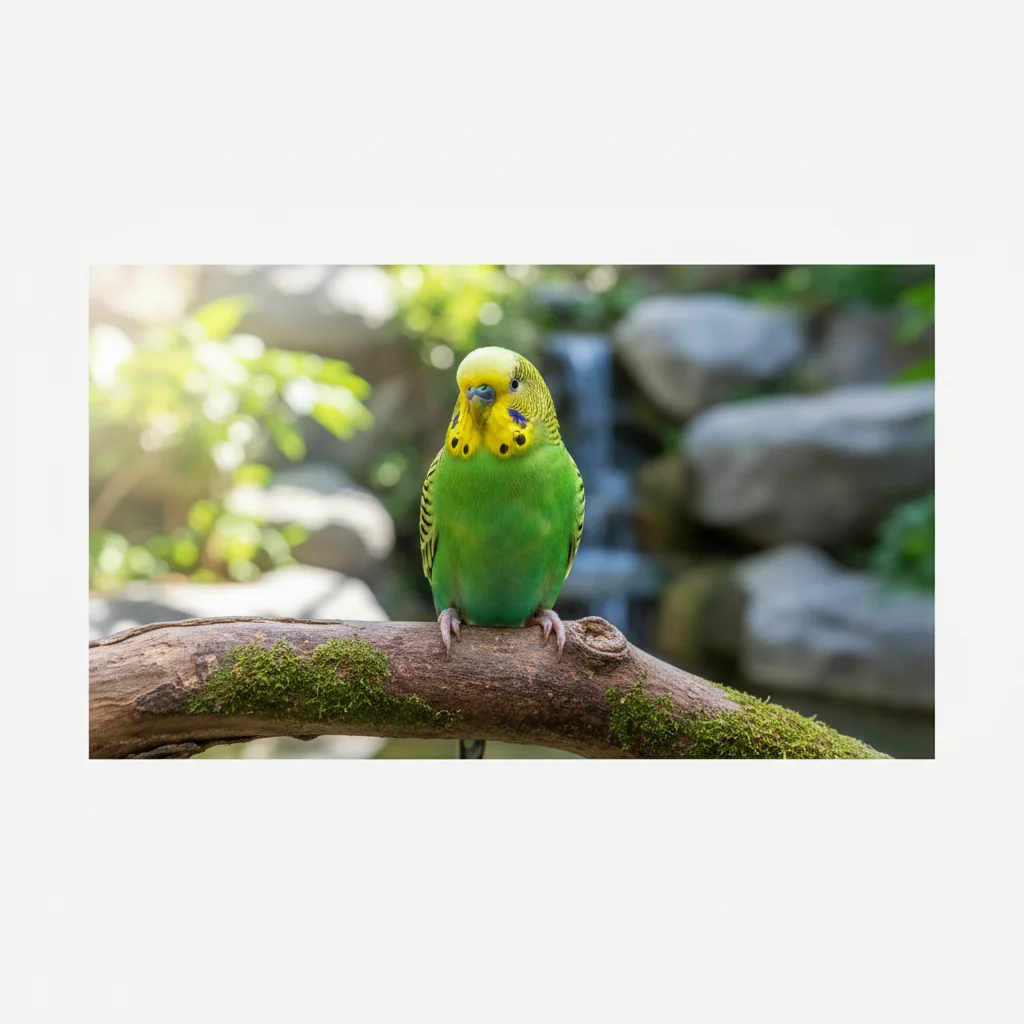
Evidence-based guide to probiotics for pet birds, covering dosing, species-specific safety, and when to consult your avian veterinarian about digestive support.
What Are Probiotics and How Do They Work in Birds?
Probiotics are live beneficial bacteria intended to colonize the avian gastrointestinal tract and support digestive function. In wild and captive birds, the microbiome—the community of microorganisms inhabiting the crop, proventriculus, and intestines—plays a role in nutrient absorption, immune signaling, and protection against pathogenic bacteria.
Common probiotic strains marketed for birds include Lactobacillus species (L. acidophilus, L. plantarum), Bifidobacterium, and Bacillus subtilis. Unlike mammals, avian digestive systems are uniquely adapted for rapid transit (2–4 hours from crop to excretion); this shorter residence time may reduce probiotic colonization compared to dogs, cats, or humans. Research into avian-specific probiotic efficacy remains sparse relative to companion mammals.
Current Evidence for Probiotic Benefit in Birds
Limited peer-reviewed veterinary literature exists on probiotics in companion birds. Most data come from poultry production studies (broiler chickens, laying hens), where researchers have examined probiotics' effects on growth rate and disease resistance in intensive settings. These findings do not directly translate to pet parrots, canaries, finches, or cockatiels, which differ in metabolism, social stress, diet, and housing.
A small body of work suggests probiotics may:
- Reduce intestinal populations of gram-negative pathogenic bacteria (e.g., E. coli, Salmonella) in some poultry models
- Support nutrient absorption and feed efficiency in commercial flocks
- Modulate inflammatory markers in stressed birds
However, no published randomized controlled trials in companion avian species (parrots, canaries, finches, budgies) were identified in a search of veterinary databases. Recommendations for pet birds currently extrapolate from poultry research, avian veterinary experience, and microbiome theory—not species-specific clinical evidence. Any perceived benefit in individual birds may reflect coincidental recovery, dietary improvement, or reduced stressor rather than direct probiotic effect.
When Probiotics Might Be Considered (Under Veterinary Guidance)
Avian veterinarians occasionally recommend probiotics in limited contexts:
- After antibiotic treatment: Broad-spectrum antibiotics can disrupt the avian microbiome; a veterinarian may suggest probiotics to help restore balanced flora (timing and strain choice are crucial).
- Digestive upset or suboptimal droppings: If a bird exhibits loose or discolored droppings without obvious infectious cause, some clinicians trial probiotics as a supportive adjunct—but only after ruling out psittacosis, aspergillosis, parasites, or dietary issues.
- Transition to new diet or environment: Stress and dietary changes can disrupt gut flora; probiotics might provide symptomatic support, though diet and enrichment are primary interventions.
Probiotics are never a substitute for veterinary diagnosis. Digestive signs in birds can indicate serious infections (chlamydiosis, viral enteritis), nutritional deficiencies, or organ disease; self-treating with supplements delays appropriate care.
Dosing by Species and Body Weight
Avian-specific dosing guidelines are not well-established in peer-reviewed literature. Most commercial avian probiotics recommend 10^8–10^9 CFU (colony-forming units) per dose, adjusted by bird size.
General framework (consult the product label and your avian veterinarian):
- Large parrots (African greys, macaws, cockatoos: 800–1,500 g): 5 × 10^8–10^9 CFU daily, typically divided into 1–2 doses mixed into soft food or water (if formulation allows).
- Medium parrots (Amazons, Eclectus, cockatoos: 300–800 g): 2–5 × 10^8 CFU daily.
- Small parrots (budgies, lovebirds: 30–150 g): 5 × 10^7–2 × 10^8 CFU daily.
- Canaries and finches (20–50 g): 10^7–5 × 10^7 CFU daily (many commercial formulations are too concentrated for these tiny species; consult an avian vet about appropriate dilution or micro-dosing).
Duration: Typical supplementation is 7–14 days after antibiotic treatment or acute digestive upset, then reassess with your veterinarian. Continuous supplementation has not been studied in pet birds and is not generally recommended without clinical indication.
Form and Administration
Avian probiotics come as:
- Powder (lyophilized): Most common; mix with soft food, warm (not hot) water, or sprouted seed. Avoid exposing to heat, light, or moisture, which denature bacteria.
- Capsules: Can be opened and mixed into food; swallowing intact capsules is not reliable in birds.
- Liquid suspensions: Less stable; verify refrigeration requirements and viable CFU count at point of use.
Always administer probiotics separate from antibiotics by at least 2–4 hours (ideally 12 hours) to prevent the antibiotic from killing the probiotic organisms.
Toxicities and Species-Specific Concerns for Birds
Additives and excipients: Many probiotics formulated for mammals contain lactose, xylitol (toxic to both birds and mammals at high doses), or flavoring agents that may irritate avian crops or cause allergic responses. Always verify the ingredient list and confirm the product is avian-appropriate.
Contamination risk: Live-culture supplements can harbor environmental contaminants (molds, mycotoxins, pathogenic bacteria) if manufacturing standards are poor. Birds are highly susceptible to aspergillosis and gram-negative bacterial infections; a contaminated probiotic could worsen health rather than improve it.
Strain specificity: Not all Lactobacillus or Bacillus strains are safe or effective in birds. Some strains are poultry-derived and well-tolerated; others (designed for humans or dogs) have not been tested in avians and could cause adverse effects.
Pre-existing conditions: Birds with immunosuppression (polyomavirus, psittacine beak and feather disease, chronic stress), pancreatic disease, or liver dysfunction may not tolerate live cultures; consult your avian veterinarian before use.
Choosing a Quality Avian Probiotic Product
- Avian-specific labeling: Avoid generic mammalian probiotics; select products explicitly formulated and tested for birds.
- Third-party testing: Look for products verified by the National Animal Supplement Council (NASC) Quality Seal or similar independent certification. Verification should confirm CFU count viability and absence of harmful contaminants.
- Transparent ingredient list: The label must identify each bacterial strain by genus and species (e.g., Lactobacillus plantarum, not just "Lactobacillus"), CFU count per dose, and all inactive ingredients.
- Stability and storage: Confirm product is shelf-stable at room temperature or requires refrigeration; check expiration date and storage conditions (light-sensitive, moisture-sensitive).
- No added dyes, soy, corn, or artificial sweeteners: Birds may be sensitive to synthetic additives.
- Sourcing: Prefer products from manufacturers with established quality control and documented experience with avian formulations.
Side Effects and When to Stop
Generally well-tolerated at recommended doses, but watch for:
- Temporary loose droppings: Common in the first 2–3 days; usually self-resolving. If persists beyond 5 days or is accompanied by lethargy, discontinue and contact your avian veterinarian.
- Appetite loss or crop stasis: Rare; may indicate product intolerance or underlying disease. Stop supplementation immediately.
- Allergic or inflammatory response: Ruffled feathers, sneezing, wheezing, or eye discharge after probiotic administration warrant immediate veterinary evaluation.
- No improvement within 7–14 days: If digestive signs persist, further diagnostic workup is needed; probiotics alone are unlikely to resolve infectious, nutritional, or systemic causes.
Drug Interactions and Contraindications
- Concurrent antibiotics: Administer probiotics at least 2–4 hours apart from antibiotics to maximize probiotic survival. Some avian antibiotics (e.g., fluoroquinolones) are less antagonistic to probiotics than broad-spectrum agents.
- Antifungal medications: Some antifungals may inhibit probiotic Bacillus species; consult your veterinarian about timing.
- Corticosteroids or immunosuppressants: May reduce probiotic efficacy and increase infection risk; discuss with your avian vet.
When to Contact Your Avian Veterinarian
Do not delay veterinary care. Seek immediate evaluation if your bird exhibits:
- Chronic or worsening diarrhea (liquid, unformed, or discolored droppings for >3 days)
- Loss of appetite or significant weight loss
- Lethargy, ruffled feathers, or reduced vocalization
- Vomiting or regurgitation (especially in parrots)
- Signs of respiratory distress (wheezing, open-mouth breathing)
- Abnormal feces color or consistency (bright green, bloody, or mucoid)
These signs may indicate chlamydiosis, viral enteritis, parasitic infection, nutritional deficiency, organ disease, or other serious conditions requiring specific diagnosis and treatment. A probiotic will not address these and may waste critical time.
Bottom Line
Probiotics may offer modest support for avian digestive health in specific contexts (post-antibiotic recovery, dietary transition under veterinary supervision), but robust clinical evidence in companion birds is lacking. Any use should be:
- Recommended by a licensed avian veterinarian after appropriate diagnostic evaluation
- Based on an avian-specific, third-party-tested formulation
- Dosed according to bird species and body weight
- Monitored for adverse effects and treatment response
Never use probiotics as a substitute for veterinary care, appropriate diet, clean housing, or handling of infectious disease risk. Your avian veterinarian remains the best source for evidence-based guidance on your bird's digestive and overall health.
Frequently asked questions
What dosage should I give my cockatiel? She weighs about 100 grams.
For a 100-gram cockatiel, a typical starting dose would be 1–2 × 10^8 CFU (100–200 million CFU) once daily, ideally mixed into soft food like mashed sweet potato or organic unsweetened applesauce. Always follow the product label for your specific formulation and confirm with your avian veterinarian before starting. Most doses are given for 7–14 days, then reassessed.
Can I give my parrot probiotics at the same time as antibiotics?
No—never mix them. Antibiotics kill bacteria, including beneficial probiotic organisms. Administer probiotics and antibiotics at least 2–4 hours apart (ideally 12 hours), and wait until the antibiotic course is complete or nearly complete before beginning probiotics. Your avian vet will advise timing based on the specific antibiotic prescribed.
My budgie has loose droppings. Should I start a probiotic?
Not without a veterinary diagnosis first. Loose droppings in budgies can signal serious infections (chlamydiosis, viral enteritis), parasites, nutritional imbalances, or organ disease. Self-treating with probiotics delays proper diagnosis and care. Contact your avian veterinarian for a workup; if probiotics are appropriate after ruling out infection and disease, your vet will recommend them.