Calcium for Laying Hens: Supporting Eggshell Quality and Bone Health
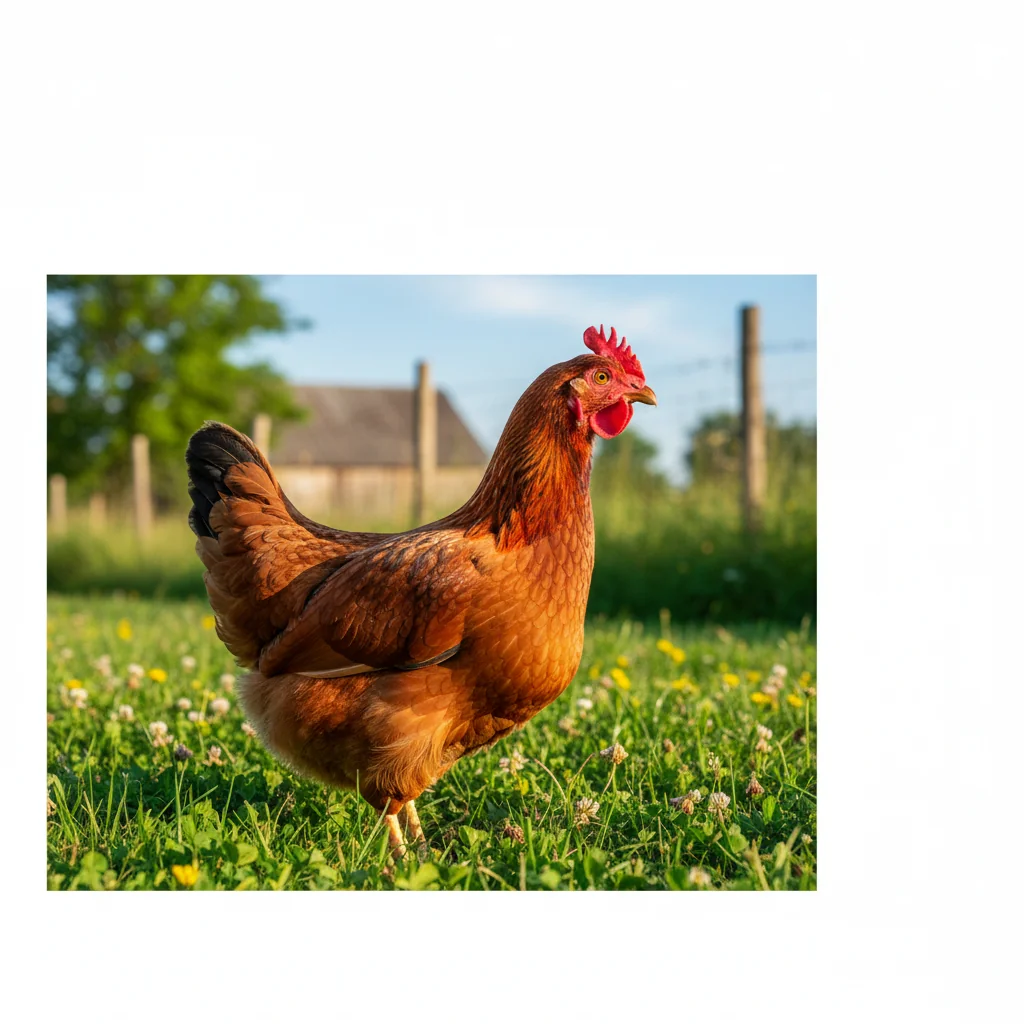
Laying hens require significantly more calcium than other birds to produce strong eggshells. Learn evidence-based dosing, sources, and when to supplement your flock.
What Is Calcium and Why Do Laying Hens Need So Much?
Calcium is a mineral essential for bone structure, muscle function, and nerve transmission in all birds. However, laying hens face a unique metabolic demand: producing eggshells. Each egg requires approximately 2–2.5 grams of calcium, and a productive hen laying 5–6 eggs per week can mobilize 10–15 grams of calcium weekly. This is 3–4 times the requirement of non-laying birds.
When dietary calcium is insufficient, hens may develop cage layer fatigue (skeletal weakness and mobility loss) or produce thin-shelled, soft-shelled, or shell-less eggs. The body will draw calcium from bone reserves to maintain eggshell formation, risking long-term skeletal fragility and increased injury risk.
How Calcium Metabolism Works in Laying Hens
Laying hens absorb calcium primarily in the small intestine via active transport (aided by vitamin D) and passive diffusion. Unlike humans, birds do not store excess dietary calcium in bones as efficiently; instead, they maintain a tight physiological balance to prioritize eggshell formation. A thin-walled, hard calcification zone in the hen's reproductive tract (the shell gland) is where calcium is deposited just before the egg is laid.
The calcium-to-phosphorus ratio is critical. The ideal ratio for laying hens is approximately 2:1 (calcium:phosphorus). High phosphorus—from grains, seeds, and legumes—impairs calcium absorption by competing for active transport and altering vitamin D metabolism. Many standard grains are naturally phosphorus-rich (12:1 or higher), which is why layer-specific feeds are formulated to balance this ratio.
Evidence for Calcium Supplementation in Laying Hens
The scientific evidence supporting calcium supplementation in laying hens is strong and well-established in poultry science literature. Multiple observational and controlled studies have documented:
- Eggshell quality improvements: Research published in the Journal of Applied Poultry Research and Poultry Science consistently shows that hens fed layer-formulated diets with 3.5–4% calcium (vs. 0.5–1% in grower feeds) produce significantly thicker, harder shells with fewer cracks and breakage rates.
- Bone mineral density: Long-term studies in laying flocks demonstrate that adequate calcium intake (3.5–4% of dry matter) helps maintain femoral and tibial bone density, reducing fracture risk in cage-free and free-range systems.
- Reduced metabolic bone disease: Hens with chronic calcium deficiency develop osteoporosis-like conditions; supplementation has been shown to slow or prevent this decline.
- Vitamin D synergy: Vitamin D3 supplementation paired with increased calcium significantly improves intestinal calcium absorption and eggshell calcification in multiple controlled trials.
However, excessive calcium supplementation (above 5% of diet) has not been shown to further improve eggshell quality and may impair absorption of other minerals (zinc, iron, manganese). The evidence is strongest for maintaining the 2:1 calcium-to-phosphorus ratio rather than simply adding more calcium.
Calcium Sources and Dosing for Laying Hens
Unlike mammalian pet-supplement guidelines, poultry calcium is typically measured as a percentage of total diet dry matter, rather than per kilogram of body weight. Here's why: a laying hen's calcium requirement depends on flock size, age, production rate, and feed composition—not just individual body weight (2–3 lbs for most hens).
Recommended Dietary Calcium Levels
- Layer-formulated commercial feed: Should contain 3.5–4% calcium (often listed on the feed bag). This is the primary source and typically adequate.
- Free-choice oyster shell or crushed limestone: Offered alongside layer feed (not as a replacement). Hens will self-regulate intake based on production rate. Typical consumption: 20–40 grams per hen per week.
- Crushed eggshell: A calcium-rich kitchen scrap; however, it is less bioavailable than commercial oyster shell and should not be the sole supplement. Offer sterilized, ground eggshells (baked at 350°F for 10 minutes to kill pathogens) mixed into feed or offered free-choice.
- Calcium carbonate powder: Pure calcium carbonate (food-grade) can be mixed into feed at 1–2% by weight if oyster shell is unavailable, though oyster shell is preferable because it also provides trace minerals.
Practical Supplementation Protocol
Best practice: Feed a commercial layer ration formulated for the target production level (standard layers, brown-egg layers, specialty producers) as the base, and provide free-choice crushed oyster shell on the side. This allows hens to auto-regulate based on individual production and body reserves.
For a small backyard flock (4–10 hens): Purchase a layer pellet or crumble (16–18% protein, 3.5–4% calcium); store in a cool, dry place. Offer free-choice oyster shell in a separate feeder. Purchase 1–2 pounds of oyster shell monthly per bird. For 6 productive hens, expect 120–240 grams (4–8 oz) oyster shell consumption per week.
For larger flocks (20+ hens): Work with a feed supplier to ensure the base ration meets calcium and phosphorus specifications. Adjust oyster shell availability seasonally (higher intake in peak summer laying; lower in winter or molt).
Side Effects, Toxicity, and Drug Interactions
Excess calcium (>5% of diet): Paradoxically, too much calcium can impair the absorption of other essential minerals—zinc, iron, copper, and manganese—leading to poor feather quality, reduced immune function, and slower growth in young birds. Avoid oversuppleting.
Imbalanced calcium-to-phosphorus ratio: High phosphorus (from seeds, nuts, and grain-heavy treats) relative to calcium reduces calcium absorption. If hens consume large amounts of sunflower seeds, milo, or other treats, consider reducing them or increasing oyster shell.
Interactions with vitamin D: Vitamin D deficiency severely impairs calcium absorption. If supplementing calcium, ensure the layer feed includes adequate vitamin D3 (typically 1,800–2,200 IU/kg in commercial layer feeds). Excessive vitamin D (>4,000 IU/kg) may cause soft-tissue calcification; do not add separate vitamin D supplements unless advised by an avian veterinarian.
Species-specific concerns: Unlike dogs and cats, laying hens have no known toxic sensitivity to calcium itself at supplemental levels, provided phosphorus balance is maintained. However, contaminated oyster shell (from non-food-grade sources) may harbor heavy metals or pathogens.
Medication interactions: If hens are treated with fluoroquinolone antibiotics (enrofloxacin), high calcium may reduce drug absorption. Space antibiotic dosing 2–4 hours apart from calcium supplementation and consult an avian veterinarian.
Choosing a Quality Calcium Supplement
For laying hens, quality considerations include:
- Source purity: Purchase oyster shell from poultry-supply retailers or feed stores; confirm it is food-grade and free of caking agents. Crushed limestone is similarly acceptable. Avoid ornamental or decorative shell products.
- Particle size: Medium-coarse particles (2–4 mm) are ideal. Fine powder is poorly retained in the gizzard and passes through without full absorption; very coarse pieces may not be consumed readily.
- Storage: Keep oyster shell dry and protected from moisture. Wet or clumped shell loses palatability and may support mold growth.
- Base feed certification: Layer rations from AAFCO-compliant manufacturers should list calcium and phosphorus content on the bag. Choose reputable feed mills with QA testing (third-party verification is a plus).
- Trace mineral content: Oyster shell naturally contains small amounts of zinc, iron, and manganese; limestone contains fewer. If using limestone exclusively, ensure the base layer feed includes a mineral premix.
When to Call Your Avian Veterinarian
Contact a veterinarian experienced with poultry if you observe:
- Sudden drop in egg production or shift to soft-shelled or shell-less eggs (may indicate acute calcium deficiency, infection, or stress)
- Lethargy, weakness, or reluctance to perch (possible cage layer fatigue or systemic illness)
- Visible lameness, dragging of legs, or inability to stand (bone fractures, nutritional deficiency, or infectious disease)
- Chronic constipation or abnormal droppings (may indicate mineral imbalance or intestinal dysfunction)
- Feather loss, paleness, or poor overall body condition despite good feed access (suggests nutritional deficiency or underlying disease)
- Introduction of new birds to a flock with sudden changes in egg quality (may indicate infectious disease affecting calcium metabolism)
Your veterinarian can perform a fecal culture, serum biochemistry panel, or egg-quality assessment to determine whether the issue is nutritional or pathological.
Summary: Best Practices for Calcium and Laying-Hen Health
Laying hens require substantially more calcium than other birds because eggshell production is metabolically demanding. The strongest evidence supports feeding a commercial layer ration (3.5–4% calcium) as the foundation, with free-choice oyster shell or crushed limestone available for self-regulation. Maintain a 2:1 calcium-to-phosphorus ratio by limiting phosphorus-rich treats and ensuring adequate vitamin D. Monitor your flock for signs of inadequate calcium—thin-shelled eggs, lethargy, or mobility problems—and consult an avian veterinarian before making major dietary changes or if symptoms persist. With proper supplementation, laying hens can maintain strong bones and consistent, high-quality egg production throughout their productive years.
Frequently asked questions
How much oyster shell should I offer free-choice to my laying hens?
Free-choice oyster shell allows hens to self-regulate based on their individual production rate. A typical laying hen will consume 20–40 grams (about 1–1.5 oz) per week. For a flock of 6 hens, keep 1–2 pounds of oyster shell available per month in a separate feeder. If hens are consuming very little (less than 5 grams per hen per week), check that your base layer feed meets 3.5–4% calcium; if it does, oyster shell demand will increase during peak laying season. If hens consume excessive amounts (>50 grams per week), ensure phosphorus from treats is not excessive and consider reducing calcium-antagonistic foods.
Can I use crushed eggshell instead of oyster shell?
Yes, but it is less ideal as a sole source. Crushed eggshell is calcium-rich (approximately 35% calcium carbonate) and free, making it attractive to backyard keepers. However, it is less bioavailable than oyster shell and contains fewer trace minerals (zinc, iron). Sterilize eggshells before offering: bake at 350°F for 10 minutes, then crush finely. Use eggshell as a supplement to oyster shell or as part of a mixed calcium strategy, not as a replacement for commercial layer feed formulation. Never offer raw eggshells, as this may encourage cannibalistic egg-eating behavior.
What if my hens are laying soft-shelled or shell-less eggs?
Soft-shelled and shell-less eggs are a red flag for insufficient calcium, but they can also signal stress, infection (infectious bronchitis, Newcastle disease), or environmental factors (sudden temperature changes, excessive noise). First step: Verify your base layer feed lists 3.5–4% calcium and that hens have free-choice access to oyster shell. Ensure adequate vitamin D in the feed (1,800–2,200 IU/kg). Check for signs of illness (ruffled feathers, lethargy, nasal discharge) and consult an avian veterinarian if symptoms persist beyond 1–2 weeks or if other birds are affected. Supplementing calcium alone will not resolve infectious disease.
Is there a risk of giving too much calcium?
Yes. Excessive dietary calcium (>5% of dry matter) can impair the absorption of zinc, iron, copper, and manganese, leading to poor feather quality and reduced immune function. Additionally, a severely imbalanced calcium-to-phosphorus ratio (too much calcium relative to phosphorus) may decrease overall mineral bioavailability. Best practice: Use a commercially formulated layer feed (which is pre-balanced) and offer free-choice oyster shell alongside it. Avoid adding additional calcium supplements (powder, crushed shells) on top of a balanced commercial ration unless recommended by an avian veterinarian.
Can I supplement calcium in drinking water?
Calcium supplementation via drinking water (calcium gluconate, calcium chloride) is not recommended for backyard laying hens. Water-soluble calcium supplements are difficult to dose accurately for multiple birds, may alter water taste (reducing intake), and are less efficiently absorbed than dietary calcium. Additionally, mineral-supplemented water can promote algae growth and bacterial contamination in outdoor systems. Stick with free-choice oyster shell and a properly formulated layer feed. If an individual hen requires medical-grade calcium supplementation (due to medical conditions diagnosed by a veterinarian), the veterinarian will prescribe and supervise that treatment.
Do breeds differ in calcium requirements?
Breed differences in calcium requirement are minimal compared to production rate. Large breeds (Brahmas, Orpingtons) laying at high frequency need similar calcium percentage in their diet as smaller breeds (Leghorns, Sussex) with similar production rates. What varies is total feed consumption: larger hens eat more feed and thus more total calcium. The key factor is production rate (eggs per week), not breed. A high-production Leghorn and a large Orpington laying 5+ eggs per week both need 3.5–4% calcium. Broody or molting hens, which are not laying, can be managed on lower-calcium maintenance feeds (1–2% calcium) until they resume production.