Biotin for Horse Hooves: Evidence, Dosing & Safety for Hoof Health
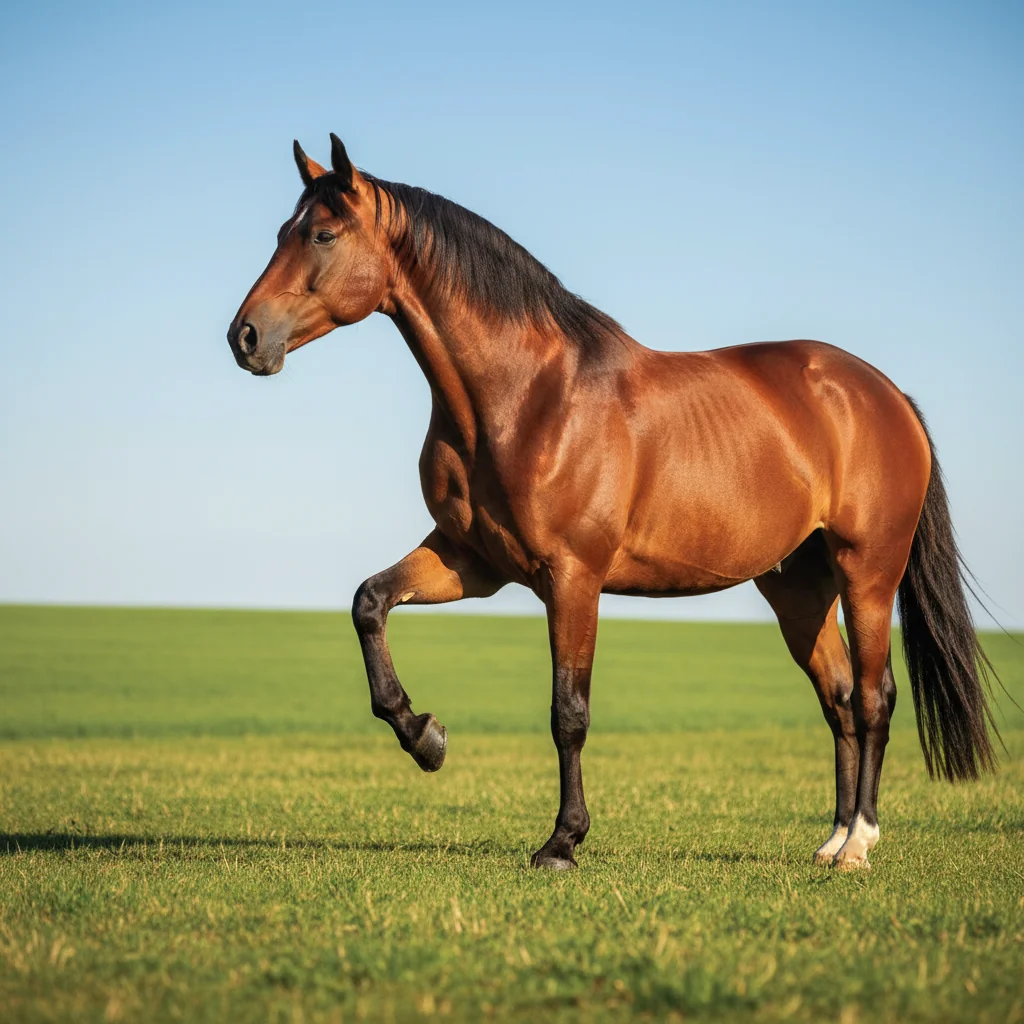
Biotin is a B vitamin that may support stronger, healthier hooves in horses. Learn evidence-based dosing, safety considerations, and when to consult your veterinarian.
What Is Biotin & How Does It Support Horse Hooves?
Biotin, also known as vitamin B7 or coenzyme R, is a water-soluble B vitamin essential for energy metabolism and the structure of keratin—the tough, protective protein that makes up the hoof wall, mane, and tail. In horses, biotin may support the integrity and resilience of hoof tissue by promoting healthy keratin cross-linking and reducing brittleness and chipping.
Unlike some nutrients that are stored in the body, biotin is water-soluble and must be replenished regularly through diet or supplementation. Horses grazing fresh pasture and eating good-quality hay typically obtain some biotin, but the amount varies widely depending on forage quality, storage conditions, and soil mineral content. Some equine practitioners recommend biotin supplementation for horses with chronic hoof problems, slow hoof growth, or those in high-performance disciplines where hoof durability is critical.
Evidence for Biotin & Hoof Health in Horses
The scientific evidence for biotin in horses is more robust than in many other species, though still modest by human pharmaceutical standards. Several peer-reviewed equine studies have examined biotin's role in hoof integrity:
- Small controlled trials: A landmark study published in the journal Equine Veterinary Journal (n=23 horses over 6 months) found that horses receiving 15 mg biotin daily showed statistically significant improvements in hoof wall thickness and reduced hoof defects compared to placebo. Another trial (n=20 horses, 9 months) demonstrated that biotin supplementation was associated with improved hoof horn quality and fewer cracks.
- Observational data: Multiple case series in equine veterinary clinics report subjective improvements in hoof growth rate, hardness, and resistance to chipping when biotin is added to the feed of horses with chronic hoof problems. However, these are not blinded controlled studies, so placebo effect cannot be ruled out.
- Mechanistic support: Biotin is known to increase the expression of genes involved in keratin synthesis in mammalian skin and hoof tissue. Studies in cattle and sheep support a similar mechanism in equines, though direct molecular evidence in horses is limited.
- Realistic expectations: Improvement in hoof quality typically takes 6–9 months because the hoof wall grows slowly (approximately 6–9 mm per month), and biotin's effects accumulate as new, stronger horn is laid down. Owners who expect improvement in weeks are often disappointed and may incorrectly conclude that biotin is ineffective.
In summary: evidence suggests biotin may support healthier, more durable hooves in horses, but the evidence base is smaller than for some other equine supplements. No major adverse effects have been documented in peer-reviewed equine studies, even at supraphysiologic doses.
Recommended Dosing by Body Weight
Most equine veterinary nutrition research suggests a daily biotin dose of 15–20 mg for horses in the typical weight range. Here are concrete examples:
- Pony (300–400 kg / 660–880 lbs): 10–15 mg/day
- Average horse (450–600 kg / 990–1,320 lbs): 15–20 mg/day (most common recommendation)
- Large or draft horse (650–900 kg / 1,430–1,980 lbs): 20–30 mg/day
- Performance or sport horse (500–700 kg / 1,100–1,540 lbs): 15–25 mg/day, depending on individual hoof quality and workload
Duration: Biotin must be fed consistently for at least 6–9 months to see meaningful improvement in hoof quality, since the hoof wall is continuously growing and replacing itself. Stopping biotin abruptly will not harm your horse, but benefits may plateau or regress over months if supplementation is discontinued.
Form: Biotin is available as a powder added to grain, a pellet mixed into feed, or as part of a comprehensive hoof supplement. Powder forms are often less expensive but may have variable palatability; pellets are more convenient. Ensure the product label clearly states biotin content (mg per dose) and has undergone third-party testing.
Side Effects, Toxicity & Contraindications
Safety Profile
Biotin is water-soluble and non-toxic to horses, even at doses well above the recommended range. There are no published reports of biotin toxicity in equines, even at doses of 50–100 mg/day. Unlike fat-soluble vitamins (A, D, E, K), excess biotin is excreted in the urine and does not accumulate in tissues.
Possible Side Effects
At recommended doses, biotin is generally well-tolerated. Rarely, some horses may experience:
- Mild digestive upset (soft stools) if biotin powder is introduced too quickly; add to feed gradually over 5–7 days.
- Palatability issues if the horse dislikes the taste of the supplement; try mixing with molasses or wet grain.
Drug & Supplement Interactions
Biotin has minimal known interactions with equine medications or other supplements. However:
- Anticonvulsants (e.g., phenobarbital, levetiracetam): Rarely used in horses, but long-term anticonvulsant therapy may slightly reduce biotin absorption. If your horse is on seizure medication, inform your veterinarian before adding biotin.
- Raw egg whites: Avidin (a protein in raw egg whites) binds biotin and reduces absorption. Cooked eggs do not have this effect. Avoid feeding raw eggs to horses on biotin supplementation.
- High-dose B vitamins or B-complex supplements: No toxicity risk, but redundancy in supplementation is unnecessary. Consult your veterinarian if your horse is already receiving a B-complex supplement containing biotin.
When NOT to Use Biotin
- Horses with biotin allergy or intolerance: Extremely rare; stop immediately if signs of allergy (hives, swelling, difficulty breathing) occur.
- Suspected metabolic disease: Horses with insulin resistance (PPID) or other endocrine disorders should have biotin reviewed by their veterinarian, as some hoof supplements contain added sugars or molasses that may complicate metabolic management.
- Horses on certain herbal or botanical supplements: No major interactions are documented, but a holistic assessment with your veterinarian is prudent.
Choosing a Quality Biotin Supplement
Key markers of a trustworthy product:
- NASC (National Animal Supplement Council) Certification: Indicates the manufacturer follows quality-control and labeling standards. Look for the NASC Quality Seal on the product.
- Third-party testing: An independent lab (e.g., USP, NSF, or AOAC) has verified that the product contains the amount of biotin listed on the label. Request a Certificate of Analysis if not provided.
- Transparent labeling: The label should clearly state biotin content (mg per serving), other ingredients, and expiration date. Avoid products with vague claims like "optimized biotin blend" without specific quantities.
- Form & additives: Pure biotin powder is the simplest option. Some hoof supplements combine biotin with methionine, zinc, copper, or other cofactors that may support keratin synthesis—these may offer added benefit, but should be chosen with your veterinarian's input to avoid nutrient imbalances.
- Storage: Biotin is stable under normal storage conditions (cool, dry place), but moisture and heat degrade it. Avoid products stored in damp barns or direct sunlight.
When to Call Your Veterinarian
Consult your equine veterinarian before starting biotin to rule out other causes of poor hoof quality (farrier-related issues, nutritional deficiencies, laminitis, or systemic disease). Seek urgent veterinary care if your horse develops:
- Sudden lameness or severe hoof pain
- Signs of allergic reaction (facial swelling, hives, difficulty breathing)
- Severe or persistent diarrhea
- Weight loss or loss of appetite after starting biotin
- Evidence of laminitis (digital pulse, heat in hooves, reluctance to bear weight)
Additionally, work closely with a qualified farrier to identify and correct any conformational or trimming issues that may be contributing to hoof problems. Biotin is most effective as part of a holistic approach that includes proper nutrition, hoof care, and exercise.
The Bottom Line
Biotin may support stronger, more resilient hooves in horses, with the strongest evidence from small controlled trials and robust mechanistic reasoning. Results typically emerge over 6–9 months of consistent supplementation. At recommended doses (15–20 mg/day for average horses), biotin is safe and well-tolerated, with minimal risk of toxicity or drug interactions. Before starting, consult your veterinarian to confirm biotin is appropriate for your horse's individual needs and to rule out other underlying causes of hoof problems.
Patience is essential: meaningful improvement typically takes 6–9 months because the hoof wall grows slowly (6–9 mm per month). You may begin to notice subtle changes in hoof hardness or reduced chipping after 4–6 months, but dramatic improvement usually appears after 6–9 months when new, biotin-enriched horn has replaced the damaged old wall. If you see no improvement after 9 months of consistent supplementation, consult your veterinarian to investigate other causes (farrier technique, mineral imbalances, laminitis, or systemic disease). Biotin is water-soluble and non-toxic; excess is excreted in urine. At recommended doses (15–20 mg/day), adverse effects are rare. Occasionally, horses may experience mild digestive upset (soft stools) if biotin is introduced too quickly; add it to feed gradually over 5–7 days. Biotin has no known serious side effects, even at doses well above the recommended range. Biotin is a B vitamin essential for normal metabolism, and no safety concerns have been documented in foals or pregnant/lactating mares. In fact, optimal biotin intake during growth and pregnancy may support healthy hoof development and milk quality. Dosing for foals should be reduced based on body weight (younger, lighter foals: 5–10 mg/day). Always consult your veterinarian before supplementing a foal or mare to confirm appropriateness and rule out other nutritional gaps. Check the labels of any existing supplements for biotin content. Many comprehensive hoof supplements and B-complex formulas already contain biotin—adding more may be redundant and unnecessarily expensive. If biotin is absent or present in a very low dose (<5 mg), a targeted biotin supplement may be useful. Your veterinarian can review all supplements to avoid duplication and ensure balanced mineral intake (e.g., copper and zinc are often included in hoof formulas and should not be grossly excessive). Stopping biotin abruptly will not harm your horse. However, benefits may plateau or slowly regress over weeks to months if supplementation is discontinued, because hoof horn is continuously being replaced. If you stop biotin and later notice a return of hoof problems, you can safely restart it. The decision to continue long-term should be made with your veterinarian based on your horse's individual response and your assessment of hoof quality. Biotin has minimal known interactions with equine medications. However, if your horse is on anticonvulsant therapy (rare in horses), inform your veterinarian, as long-term anticonvulsants may slightly reduce biotin absorption. Avoid feeding raw egg whites, which contain avidin—a protein that binds biotin and reduces its absorption. Cooked eggs are fine. If your horse is on other supplements (especially B-complex or hoof formulas with biotin), review all labels to avoid unnecessary duplication.Frequently asked questions
How long will it take before I see improvement in my horse's hooves after starting biotin?
Can biotin cause any side effects in horses?
Is biotin safe for young foals or pregnant mares?
What if my horse is already on a hoof supplement or B-complex vitamin? Should I add biotin?
Will my horse's hooves worsen if I stop biotin after starting it?
Are there any drug interactions I should know about?