Best Supplements for Senior Cats: Joint Support, Cognition & Kidney Health
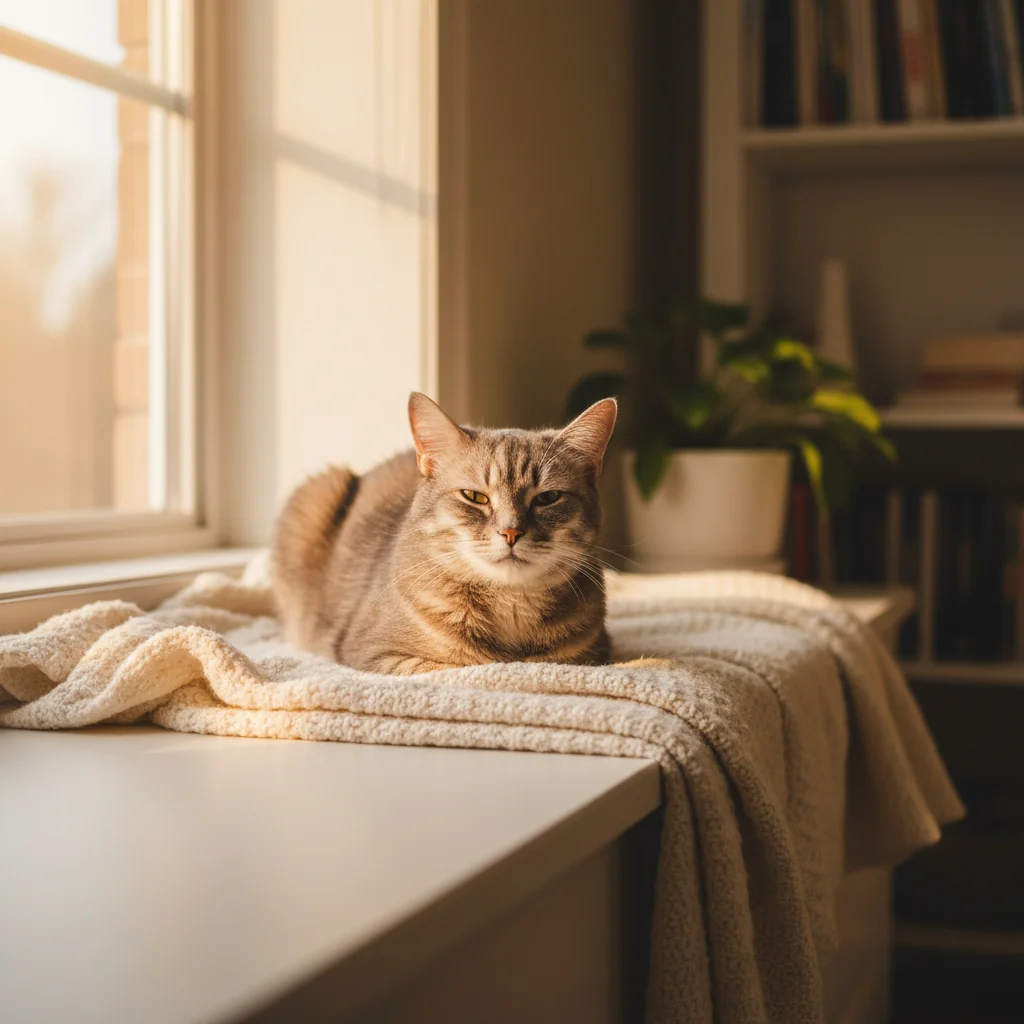
Evidence-based guide to supplements that may support aging cats' mobility, brain function, and organ health. Always consult your vet before starting.
Why Senior Cats Need Different Nutritional Support
Cats aged 11+ are considered senior, and their bodies undergo significant changes. Muscle mass declines, joint cartilage degenerates, kidney function naturally decreases, and cognitive sharpness may fade. Unlike kittens or young adults, senior cats often develop multiple concurrent conditions—osteoarthritis, chronic kidney disease (CKD), hyperthyroidism, and cognitive dysfunction—that interact with supplements in complex ways.
The feline digestive system is also more sensitive than a dog's. Cats lack certain metabolic pathways that humans and dogs possess, making them vulnerable to toxins in some supplements. This guide reviews supplements with the most evidence in cats, honest about what we know and what remains uncertain.
Joint & Mobility Support for Arthritic Senior Cats
Glucosamine and Chondroitin
What it is: Glucosamine is an amino sugar derived from shellfish or synthesized; chondroitin is a component of cartilage matrix. Both are widely used for canine osteoarthritis, but feline-specific research is sparse.
Evidence in cats: Only two published RCTs in cats directly address glucosamine efficacy, with modest positive results for mobility and pain scores (JAVMA 2007, Journal of Feline Medicine and Surgery 2016). One small trial (n=20) showed improved joint comfort over 8 weeks; another (n=16) found modest gait improvement. These are small, short-term studies, so confidence is limited. Evidence in dogs is stronger (multiple larger RCTs), but cats' unique physiology means extrapolation requires caution.
Dosing: Typical veterinary formulations suggest 250–500 mg glucosamine per cat daily (most cats weigh 3.6–5.5 kg). A 5 kg cat might receive 250–500 mg/day in divided doses. Chondroitin dosing often parallels glucosamine at 200–400 mg/day. Always use a feline-specific product; never assume human or canine supplements are appropriate for cats.
Side effects: Generally well-tolerated in cats. Mild gastrointestinal upset (decreased appetite, soft stool) occurs in <5% of cats. Critical note: If your cat has a shellfish allergy (rare but possible), avoid shell-derived glucosamine.
Omega-3 Fatty Acids (Fish Oil)
What it is: Long-chain polyunsaturated fats (EPA and DHA) from fish or algae sources. Omega-3s reduce inflammatory cytokines and may support joint cartilage preservation.
Evidence in cats: No RCTs in cats alone, but observational data and one small open-label study (n=13) suggest omega-3 supplementation may improve mobility in arthritic cats and support skin/coat condition. Stronger evidence exists in dogs and humans. Cats are obligate carnivores with limited ability to convert plant-based ALA (alpha-linolenic acid) to EPA/DHA, so they require direct sources like fish oil.
Dosing: 40–100 mg combined EPA+DHA per kg body weight daily for senior cats. A 5 kg cat might receive 200–500 mg EPA+DHA daily. Products vary widely; always check the label for actual EPA+DHA content, not total fish oil volume. Split dosing (morning and evening) may improve tolerability.
Side effects and cautions: Fish oil can thin blood slightly and may increase bleeding risk if combined with anticoagulants (e.g., warfarin). Excessive dosing can cause loose stools. CRITICAL SAFETY: Ensure the product is free of contaminants (mercury, PCBs) and vitamin A concentration is appropriate—excessive vitamin A is toxic in cats. Only use products third-party tested for purity and labeled for feline use.
Cognitive Support for Aging Feline Brains
SAMe (S-Adenosyl Methionine)
What it is: A naturally occurring compound in the body involved in neurotransmitter synthesis and cellular methylation. SAMe may support dopamine and serotonin pathways.
Evidence in cats: Limited. One small observational study (n=7) in cats with cognitive dysfunction suggested behavioral improvement (increased alertness, reduced house soiling) over 8 weeks. Human and rodent studies show stronger cognitive benefit, but direct feline RCTs are absent. Use with caution and realistic expectations.
Dosing: 18–20 mg/kg body weight once daily, given on an empty stomach for best absorption. A 5 kg cat would receive approximately 90–100 mg daily. Most veterinary formulations come as 90 mg tablets.
Side effects: Generally safe. Rarely, cats may experience mild GI upset or mild behavioral changes (agitation or restlessness). Drug interaction: SAMe may interact with serotonergic drugs (e.g., fluoxetine); inform your veterinarian if your cat takes antidepressants or anti-anxiety medications.
Medium-Chain Triglycerides (MCT Oil)
What it is: Short, easily absorbed fats that bypass normal digestive pathways and are metabolized directly to ketones—an alternative brain fuel that may support cognitive function, especially in aging pets.
Evidence in cats: No cat-specific RCTs. Evidence comes from canine cognitive dysfunction trials (showing modest improvement in alertness and house-training adherence) and human Alzheimer's studies. Extrapolation to cats is plausible but unproven.
Dosing: 0.5–1 mL per 5 kg body weight daily, added to food or given directly. Start low (0.25 mL) and increase over 1–2 weeks to minimize GI upset. Senior cats may tolerate lower doses better.
Side effects: Loose stools and greasy stools are common if dosing is too high. Cats may refuse food if the oily taste is off-putting. MCT oil is calorically dense (~8.3 kcal/mL), so account for it in the daily caloric intake to prevent obesity—a risk factor for feline diabetes and joint stress.
Kidney Health Support in Senior Cats
Chronic kidney disease (CKD) is endemic in senior cats, affecting ~30% of cats over age 10. Supplements cannot halt CKD, but some may slow progression or improve quality of life.
Omega-3 Fatty Acids (Revisited for Kidney Health)
Omega-3s have anti-inflammatory properties and may help preserve remaining renal function. Studies in cats with CKD are limited but observational data suggest potential benefit. The dosing remains as above (40–100 mg EPA+DHA per kg), but critical caution: High-dose omega-3 can increase bleeding risk in cats on other blood-thinning agents. Monitor your cat closely; inform your vet if your cat is on NSAIDs or other anticoagulants.
Phosphate Binders
What it is: Compounds like calcium carbonate or lanthanum carbonate that bind dietary phosphate in the gut, reducing serum phosphate levels. High phosphate accelerates CKD progression.
Evidence: Multiple observational studies and one small RCT (n=20) in cats with CKD show phosphate binders slow decline in renal function and may extend survival by months. These are semi-pharmaceutical agents, not true supplements, and require veterinary prescription and monitoring. Mention here only to highlight their potential; discuss with your vet before use.
General Safety Considerations for Senior Cat Supplements
Toxins to Avoid
Essential oils: Many popular supplements contain lavender, tea tree, eucalyptus, or peppermint oils. Cats lack glucuronyl transferase enzymes and cannot metabolize many volatile compounds, making them highly sensitive to essential oil toxicity (tremors, ataxia, respiratory distress). Avoid all supplements containing essential oils.
Xylitol, grapes, raisins, onions: Though more commonly toxic to dogs, even small amounts can harm cats. Always check ingredient lists.
Excessive vitamin A: Cats cannot regulate vitamin A absorption well. Supplements with added vitamin A (beyond what's in food) can cause toxicity (bone fragility, poor coat). Avoid supplements listing retinol or retinyl palmitate.
Drug Interactions
NSAIDs (meloxicam, robenacoxib): Omega-3s may increase bleeding risk. Glucosamine may have mild anti-inflammatory effects that could theoretically amplify NSAID effects; monitor for GI upset.
Antithyroid drugs (methimazole, propylthiouracil): No direct interactions with common senior supplements, but inform your vet of all supplements to track cumulative organ burden.
Diuretics (for hypertension or heart disease): Some supplements may affect electrolyte balance; vet oversight is essential.
Choosing Quality Senior Cat Supplements
Not all supplements are created equal. Feline-specific formulations are critical because cats' unique metabolism means human or dog supplements may be inappropriate or ineffective.
- NASC (National Animal Supplement Council) seal: Indicates third-party audit of manufacturing and label-claim verification. Look for this on packaging.
- Third-party testing: Products tested by organizations like USP, NSF, or ConsumerLab for potency, purity, and absence of contaminants (heavy metals, microbial agents).
- Cat-appropriate form: Powders or liquids mixed into wet food are often better tolerated than pills, which many senior cats resist. Capsules can be opened and mixed, but check with your vet first.
- Check for added ingredients: Avoid artificial flavors, colors, xylitol, and essential oils. Simplicity is better for senior cats with sensitive digestion.
- Storage: Keep supplements in a cool, dry place. Fish oil oxidizes quickly if exposed to light or heat; store in opaque, airtight containers.
When to Call Your Veterinarian
Start any new supplement under veterinary guidance, especially if your senior cat has pre-existing kidney disease, diabetes, or takes medications. Watch for these warning signs:
- Gastrointestinal upset: Persistent vomiting, diarrhea, or refusal to eat (may indicate intolerance or dosing too high)
- Behavioral changes: Unusual lethargy, agitation, or tremors (especially with cognitive supplements or essential oil exposure)
- Bleeding or bruising: Unusual bleeding from gums, nosebleeds, or bruising (suggests anticoagulant effect, especially with high omega-3 doses)
- Increased thirst or urination: May indicate worsening kidney function; supplements won't cause this, but it's a sign to reassess treatment)
- Appetite loss: If your cat refuses food after starting a supplement, stop it immediately and inform your vet
Before starting any supplement, schedule a visit with your veterinarian. A senior wellness exam, baseline bloodwork (kidney values, electrolytes, phosphate), and discussion of your cat's specific health goals will ensure supplements are safe and appropriate.
Frequently asked questions
Can I give my senior cat the same supplements as my dog?
No. Cats have unique metabolism and lack certain liver enzymes dogs have. For example, cats cannot process essential oils, tolerate certain dosages of vitamin A, and respond differently to some ingredients. Always use cat-specific formulations labeled for feline use. Consult your vet before using any product not explicitly designed for cats.
How do I know if a supplement is working for my arthritic cat?
Improvement in senior cats is subtle. Look for gradual changes over 4–8 weeks: increased willingness to jump, improved grooming, more playfulness, less stiffness after rest, or reduced vocalization (meowing in pain). Keep a simple log of your cat's mobility and behavior before and after starting the supplement. Some cats show no visible improvement; this doesn't mean the supplement is harmful, just that it may not be beneficial for that individual. Discuss results with your vet at follow-up visits.
Are there age restrictions for senior supplements?
Most supplements marketed for senior cats are safe for cats aged 7+. However, cats with advanced kidney disease (CKD Stage 3 or 4), diabetes, or on multiple medications require careful dosing and veterinary approval. Some supplements (e.g., phosphate binders) are reserved for cats with diagnosed CKD. There is no upper age limit for most supplements—a 20-year-old cat can safely use them if otherwise stable—but dosing and product choice must be individualized. Your vet should assess your specific cat's health status before recommending any supplement.
What if my cat is on medications—can supplements interfere?
Yes, some interactions are possible. Omega-3 supplements may increase bleeding risk if your cat takes anticoagulants (e.g., warfarin) or blood thinners. SAMe may interact with antidepressants like fluoxetine. Phosphate binders can interfere with absorption of certain medications. Always inform your veterinarian of all supplements your cat receives, including treats and topical products. Your vet can check for known interactions and adjust timing (e.g., giving supplements and medications several hours apart) if needed.
How do I know if my cat is having a bad reaction to a supplement?
Stop the supplement immediately if you observe: persistent vomiting or diarrhea, refusal to eat, unusual lethargy or agitation, tremors, excessive salivation, or difficulty breathing. These are emergency signs, especially if they develop within hours of dosing. Mild GI upset (one loose stool, brief appetite reduction) may improve with lower dosing or food administration, but don't persist if symptoms worsen. Contact your vet before resuming any supplement after an adverse reaction.
Should I stop a supplement if my cat's kidney values decline?
Declining kidney values (elevated creatinine, BUN, or phosphate) are part of natural CKD progression in senior cats and are not caused by most supplements. However, inform your vet immediately. Your vet may adjust dosing (e.g., lower phosphate binder doses) or switch supplements based on blood work. Some supplements (e.g., high-dose fish oil) may need temporary reduction if kidney function drops suddenly. Never abruptly stop a supplement without vet guidance—the underlying disease, not the supplement, is likely the issue, and your vet's input ensures the best management plan.