Vitamin D3 for Birds: Essential Roles, Dosing, and Safety
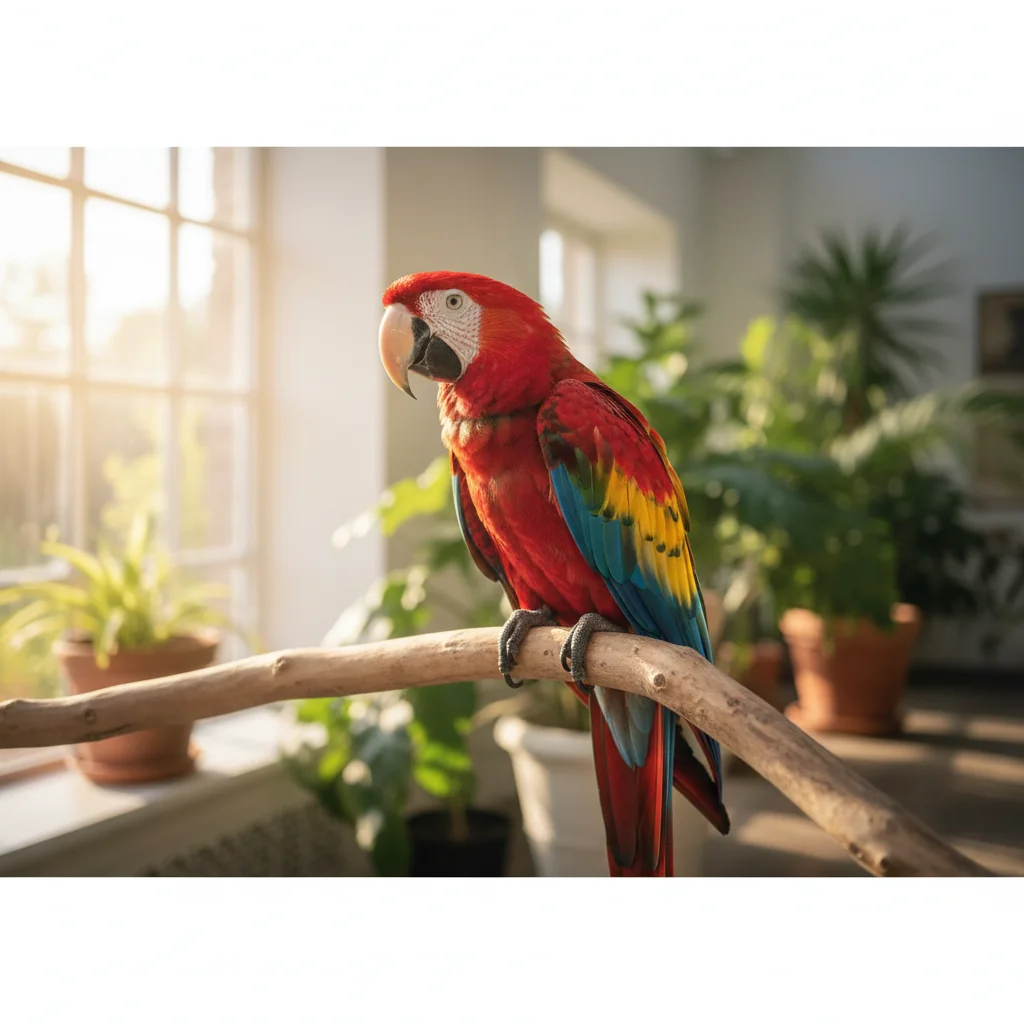
Vitamin D3 supports bone health, calcium absorption, and immune function in companion birds. Learn species-specific dosing, toxicity risks, and how to safely supplement.
What Is Vitamin D3 and Why Do Birds Need It?
Vitamin D3 (cholecalciferol) is a fat-soluble vitamin essential for calcium and phosphorus absorption in the avian intestine. Unlike mammals, birds have unique skeletal demands: they produce eggs (in females) and maintain lightweight, hollow bones for flight. Without adequate D3, calcium cannot be properly absorbed or mobilized, leading to metabolic bone disease (MBD), soft-shelled eggs, and skeletal deformities.
Birds synthesize D3 when exposed to natural sunlight or full-spectrum UVB light (280–320 nm wavelength). However, indoor birds often lack sufficient UVB exposure, and dietary sources alone are rarely adequate. This makes supplementation a key consideration for companion bird owners.
How Vitamin D3 Works in Birds
D3 is converted in the liver to calcidiol, then in the kidneys to the active form, calcitriol. This active metabolite acts as a hormone, increasing intestinal calcium absorption and regulating blood calcium levels. In birds, this is especially critical during:
- Bone development in juveniles and growing birds
- Egg production in females (eggs require ~2 g calcium per egg)
- Immune function and normal feather health
- Metabolic regulation during molting and seasonal changes
Birds are also more sensitive to D3 levels than mammals; their kidneys tightly regulate calcitriol production, so they are at higher risk for toxicity from excessive supplementation.
Evidence for Vitamin D3 in Birds
Unlike canine and feline nutrition, avian supplement research is limited. Most recommendations derive from:
- Zoo and aviculture practices backed by field observation and necropsy data (e.g., Association of Avian Veterinarians guidelines)
- Poultry production research, which informs companion bird recommendations but reflects different husbandry and goals
- Clinical case reports of MBD and egg-binding in D3-deficient birds
- Limited experimental studies in specific species (e.g., budgerigars, cockatiels)
There are no published randomized controlled trials testing optimal D3 doses in companion birds. Recommendations are consensus-based, informed by avian veterinary experience and the known pathology of deficiency. Evidence is honest: D3 supplementation prevents and treats clinical deficiency states, but optimal supplementation in well-lit, well-fed birds remains incompletely defined.
Dosing Vitamin D3 for Birds: Species and Weight-Based Guidelines
Dosing depends on three factors: body weight, species size, and UVB light availability. Birds with regular UVB exposure (4–6 hours/day of quality full-spectrum light) may need lower supplemental doses than birds kept indoors without UVB.
General Dosing Ranges
- Small birds (canaries, finches, budgerigars; 20–50 g): 50–100 IU/day, or ~1,000–2,000 IU/kg body weight
- Medium birds (cockatiels, Amazons, African greys; 300–500 g): 500–1,500 IU/day
- Large birds (macaws, cockatoos; 800 g–1.5 kg): 1,000–3,000 IU/day
- Very large birds (eagles, parrots >1.5 kg): 2,000–4,000 IU/day
Concrete example: A 400 g cockatiel (typical weight) requires approximately 400–800 IU/day if kept indoors without UVB. A liquid D3 product at 400 IU per 0.05 mL drop allows precise dosing. If the bird receives 4+ hours of quality UVB light daily, reduce supplemental D3 by 25–50%.
UVB Light Interaction
Birds exposed to high-quality full-spectrum UVB light (5.0–10.0 UVB index) for 4–6 hours daily may produce sufficient cutaneous D3 and require lower oral supplementation. Conversely, birds kept in rooms with only incandescent or LED lighting (which lack UVB) have zero endogenous D3 synthesis and depend entirely on diet and supplements. Always consult your avian veterinarian about your bird's specific lighting setup before dosing.
Side Effects and Vitamin D3 Toxicity in Birds
Vitamin D3 toxicity (hypervitaminosis D) is the most serious risk in companion birds. Birds are more sensitive than dogs or cats due to their unique kidney physiology and higher basal metabolic rates.
Signs of D3 Toxicity
- Excessive thirst and urination (polyuria, polydipsia)
- Loss of appetite and weight loss
- Lethargy, depression, or reduced activity
- Weakness or inability to grip perches
- Vomiting or regurgitation (in some species)
- Pale mucous membranes (from anemia)
- Sudden death (in severe cases)
Toxicity occurs when birds receive >5,000 IU/kg daily over weeks to months, causing hypercalcemia (elevated blood calcium). This damages the kidneys, heart, and soft tissues.
Risk Factors for Toxicity
- Overuse of supplements combined with fortified pellets (e.g., mixing D3 powder into already-fortified food)
- Failure to adjust doses as UVB light exposure increases seasonally
- Using high-potency products without careful measurement (especially in very small birds)
- Concurrent use of multiple supplements containing D3
- Species-specific sensitivity: Some species (e.g., certain Amazons, macaws) may be more sensitive; ask your avian vet
Drug and Nutrient Interactions
Interactions to Avoid
- Fortified pellets + D3 supplements: Many commercial avian pellets contain 1,000–2,500 IU D3 per 100 g. Do not add supplemental D3 without veterinary guidance; this risks overdose.
- Calcium supplements + high-dose D3: Excess D3 increases calcium absorption; combined supplementation can raise blood calcium dangerously.
- Fat-soluble vitamin cocktails: Products containing vitamins A, D, E, and K together can lead to excessive D3 if dosed incorrectly.
- Thiazide diuretics (rarely used in birds): Can increase D3 activity; inform your vet of all supplements before prescribing diuretics.
Nutrient Synergies
- Vitamin D3 + adequate dietary calcium and phosphorus: D3 only works if calcium and phosphorus intake are sufficient (calcium:phosphorus ratio ~1.5:1 in most birds).
- Vitamin D3 + magnesium: Adequate magnesium supports D3 metabolism; deficiency may impair D3 activation.
Choosing a Quality Vitamin D3 Product for Birds
Product Forms
- Liquid drops (most common): Allow precise dosing in small birds; check concentration (e.g., 400 IU per drop).
- Powder (less common): Can be sprinkled on food; requires a gram scale for accurate dosing in small birds.
- Capsules or tablets: Often too large for small birds; suitable only for large species, and difficult to divide accurately.
Quality Markers
- Third-party testing (ConsumerLab, USP Verified, NASC): Confirms label claim ± 20% and absence of contaminants.
- Veterinary formulation: Products marketed for exotic birds or recommended by avian veterinarians are more likely species-appropriate.
- No artificial colors or preservatives: Birds are sensitive to additives; choose simple formulations (oil, D3, possibly vitamin E as a preservative).
- Storage: Liquid D3 degrades with light and heat; choose dark glass bottles and store in a cool, dark place.
- Expiration date: D3 potency decreases over time; do not use expired products, as dose accuracy is lost.
Administration Tips
- Measure drops carefully: Use a 1 mL or 0.1 mL syringe (available from pharmacies) to measure liquid supplements precisely.
- Add to soft foods: Mix into a small amount of fresh fruit, vegetable puree, or soft pellet—not into the entire food bowl, to ensure your bird consumes the full dose.
- Monitor compliance: Watch your bird consume the dosed food; some birds refuse flavored foods.
- Consistency matters: Give the supplement at the same time daily to avoid overdosing from "makeup" doses.
When to Call Your Avian Veterinarian
Before starting supplementation: Schedule a wellness visit to discuss your bird's diet, UVB lighting, and supplement needs. Your vet can recommend a species- and individual-specific dose.
Seek immediate veterinary care if your bird shows:
- Sudden loss of appetite or refusal to eat
- Excessive drinking or wet, frequent droppings
- Inability to grip perches or move normally
- Difficulty breathing or wheezing
- Bleeding or pale gums and tongue
- Seizures or collapse
Schedule a follow-up visit: After 6–8 weeks of supplementation (especially for birds with diagnosed MBD), ask your vet to reassess and adjust the dose if needed.
Special Populations
Breeding or Egg-Laying Females
Female birds in active egg production have dramatically higher calcium and D3 demands. D3 deficiency in breeding females causes egg-binding, thin shells, and death. Supplementation is strongly recommended (and often essential) for breeding birds; consult your avian vet for appropriate doses.
Chicks and Young Birds
Growing birds require D3 for normal skeletal development. Hand-reared chicks should receive D3 supplementation in their formula or as drops, under veterinary supervision. Once eating solid foods, ensure fortified pellets and/or supplementation match their developmental stage.
Older or Chronically Ill Birds
Elderly birds or those with kidney or liver disease may have impaired D3 metabolism. Do not supplement without veterinary evaluation; blood calcium and phosphorus testing may be needed.
Key Takeaways for Bird Owners
- Vitamin D3 is essential for bone health, calcium absorption, and egg production in birds.
- Indoor birds without adequate UVB light typically require 1,000–2,000 IU/kg daily; dose by weight and lighting conditions.
- Birds are sensitive to D3 toxicity; avoid overuse and do not combine supplements with fortified pellets without veterinary approval.
- Always consult your avian veterinarian before starting or changing D3 supplementation.
- Choose liquid, third-party-tested products for precise dosing and quality assurance.
Frequently asked questions
My bird eats fortified pellets. Do I still need to supplement with vitamin D3?
Not necessarily, and adding D3 to an already-fortified diet risks overdose. Most commercial avian pellets contain 1,000–2,500 IU D3 per 100 g. If your bird eats a varied diet of pellets, fresh vegetables, and gets 4+ hours of quality UVB light daily, supplementation may be unnecessary. However, if your bird refuses pellets, eats primarily seeds, or has no UVB light, supplementation is important. Ask your avian veterinarian to assess your bird's specific diet and lighting before deciding. They may recommend a lower supplemental dose or none at all.
How do I know if my bird is getting too much vitamin D3?
Signs of toxicity include excessive thirst and urination, loss of appetite, weight loss, lethargy, weakness (inability to grip), and pale gums. These can develop over weeks if D3 intake is consistently high. If you notice any of these signs, contact your avian veterinarian immediately. Blood calcium testing can confirm toxicity. Prevention is key: measure doses carefully, do not combine multiple D3 sources, and have your vet reassess dosing every 6–8 weeks. If you accidentally overdose your bird once, inform your vet but do not panic; single overdoses are less dangerous than chronic excess.
Can I give my bird too little vitamin D3?
Yes. Insufficient D3 causes metabolic bone disease (MBD), characterized by soft or bent bones, lameness, and in females, egg-binding or abnormal eggs. However, deficiency develops gradually over weeks to months; birds can tolerate brief periods of lower intake. The goal is balanced supplementation based on your bird's weight, species, diet, and UVB exposure. A blood calcium and phosphorus test at your avian vet can help confirm whether your bird's current D3 intake is adequate. If unsure, erring slightly lower (with adequate UVB light) is safer than risking toxicity.
Are there bird species that need more or less vitamin D3?
Most companion bird species share similar D3 physiology, but some evidence suggests variation. For example, large parrots may tolerate slightly higher doses, while small finches and budgies are more sensitive due to their tiny body size and fast metabolism. Additionally, birds native to sunlit, tropical environments (e.g., many Amazon parrots) may have higher UVB adaptation than temperate species. Your avian veterinarian knows your specific bird's species and can tailor dosing accordingly. If you have a rare or exotic species, ask your vet to reference species-specific guidelines from avian medicine literature.
Can I give vitamin D3 and a multivitamin together?
Only with caution. Many avian multivitamin products already contain D3 (often 500–1,500 IU per dose). Adding a separate D3 supplement on top of a multivitamin risks overdose. Check the label of your multivitamin for D3 content, and inform your avian veterinarian of all supplements you are giving. Your vet can calculate total D3 intake and recommend adjustments to prevent toxicity. If a multivitamin is needed for other nutrients (e.g., vitamin A, B vitamins), your vet may recommend using it alone or with a very low-dose D3 supplement.
How often should my bird's D3 supplementation be reassessed?
Reassess every 6–8 weeks, especially when starting supplementation or after changes in lighting, diet, or health status. Your avian veterinarian can perform a physical exam and, if indicated, a blood calcium and phosphorus test to confirm that D3 intake is appropriate. As seasons change and daylight hours vary, you may also need to adjust supplementation (e.g., less D3 in summer if your bird gets more natural UVB light outdoors). A wellness visit 6 weeks after starting a new supplement is a good practice.