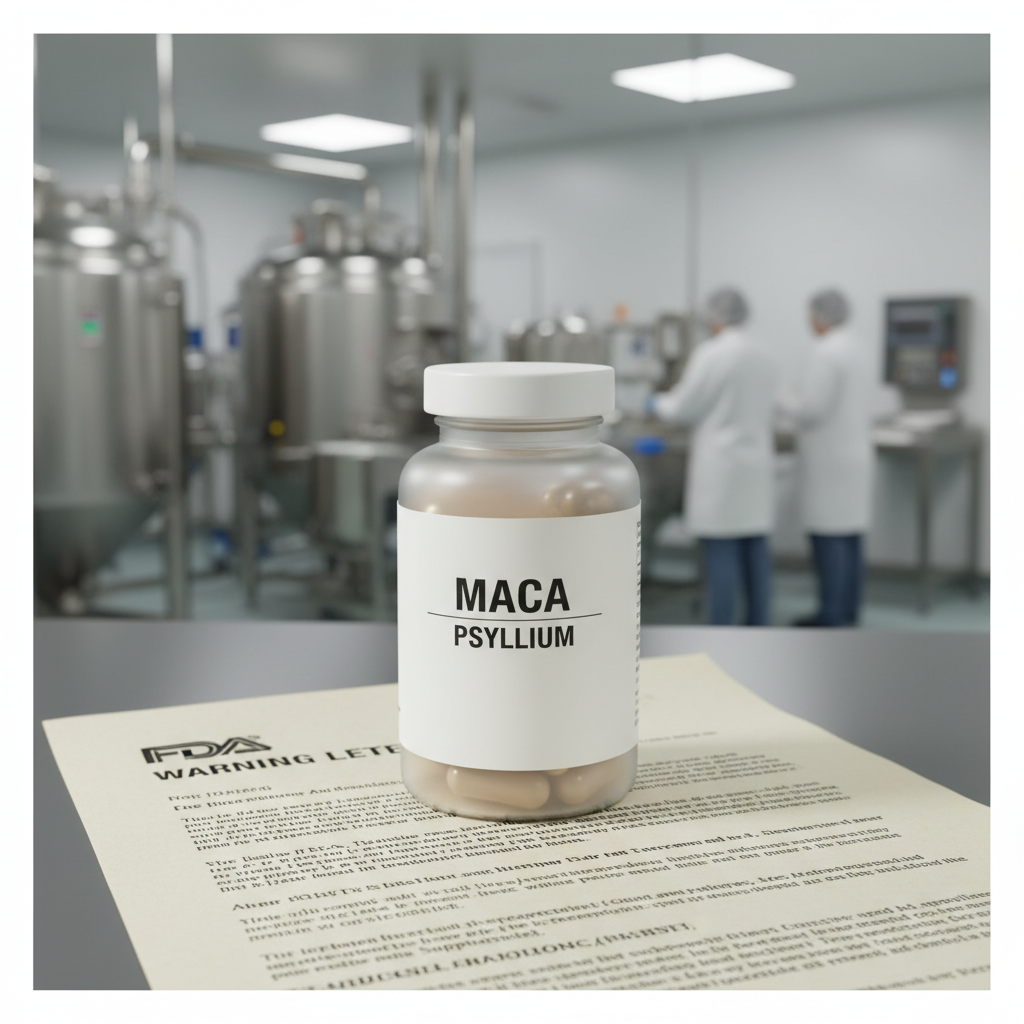
FDA Issues Warning to Nupack Nutrition Over cGMP Violations and Illegal Drug Claims
The U.S. Food and Drug Administration (FDA) has issued a significant warning letter to Nupack Inc., operating as Nupack Nutrition, citing serious violations of current Good Manufacturing Practices (cGMP) for dietary supplements and making unapproved drug claims for several of its products. This regulatory action highlights the FDA's ongoing commitment to ensuring the safety, quality, and proper labeling of dietary supplements, particularly concerning products marketed with ingredients like Maca and Psyllium.
The FDA's Scrutiny of Nupack Nutrition
The warning letter, resulting from an FDA inspection, detailed multiple instances where Nupack Nutrition failed to comply with federal regulations designed to ensure product quality and consumer safety. The FDA's findings revealed a dual threat: inadequate manufacturing controls that could compromise product integrity and misleading claims that positioned dietary supplements as unapproved drugs. This robust regulatory action serves as a stark reminder to the dietary supplement industry about the critical importance of adherence to established guidelines.
cGMP Violations Uncovered
Among the most critical findings were Nupack Nutrition's failures to meet cGMP requirements. These regulations are foundational for ensuring that dietary supplements are consistently produced and controlled according to quality standards. The FDA's inspection reportedly uncovered several violations, including a lack of appropriate quality control procedures, failure to establish proper specifications for components and finished products, and inadequate batch production records. As reported by ConsumerLab.com, the FDA specifically noted 'several violations of current Good Manufacturing Practices (cGMP) for dietary supplements,' indicating systemic issues in the company's manufacturing processes. Such lapses can lead to products that are contaminated, mislabeled, or do not contain the declared ingredients in the specified amounts, posing potential health risks to consumers.
Unapproved Drug Claims for Dietary Supplements
Beyond manufacturing deficiencies, Nupack Nutrition was also cited for making illegal drug claims for several of its dietary supplement products. Under federal law, a product intended to diagnose, cure, mitigate, treat, or prevent disease is classified as a drug. If such a product has not undergone the rigorous FDA approval process for drugs, it is considered an unapproved new drug and is illegal to market. The warning letter specifically called out claims made for products such as "Psyllium Husk Powder" and "Maca Root Powder." According to ConsumerLab.com, the FDA stated that Nupack's Psyllium Husk Powder and Maca Root Powder were deemed 'unapproved new drugs' due to claims like 'supports healthy cholesterol levels' for psyllium and 'supports healthy sexual function' for maca, which imply disease treatment or prevention. These claims transform what would otherwise be a dietary supplement into an unapproved and illegally marketed drug.
Broader Regulatory Action and Industry Impact
This warning letter to Nupack Nutrition is part of a broader trend of increased FDA regulatory action against companies that fail to comply with cGMP standards and make unsubstantiated health claims. The FDA continues to monitor the dietary supplement market closely to protect public health. Such actions send a clear message to the industry: compliance with cGMP regulations is non-negotiable, and marketing dietary supplements with unapproved drug claims will result in enforcement. This ongoing scrutiny aims to foster a more transparent and trustworthy market for dietary supplements, ensuring that consumers can make informed decisions based on accurate information and safely manufactured products.
What this means for consumers
For consumers, this FDA Warning Letter serves as an important reminder to exercise caution and diligence when purchasing dietary supplements. Here are key takeaways:
- Be Skeptical of Disease Claims: If a dietary supplement product claims to treat, cure, or prevent a disease, it is likely making an illegal, unapproved drug claim. Consult with a healthcare professional before using such products.
- Prioritize Reputable Brands: Opt for dietary supplements from companies with a strong track record of regulatory compliance and transparency.
- Check for Third-Party Verification: Look for products that have been independently tested and certified for purity and potency by organizations like ConsumerLab.com, which can provide an additional layer of assurance.
- Understand cGMP: Products manufactured under cGMP standards are more likely to be of high quality, containing the ingredients listed on the label in the correct amounts and free from contaminants.
- Report Concerns: If you suspect a dietary supplement product is unsafe or making false claims, you can report it to the FDA.
The FDA's action against Nupack Nutrition underscores the critical need for consumers to be informed and for the industry to adhere strictly to established regulations, protecting both public health and the integrity of the dietary supplement market.