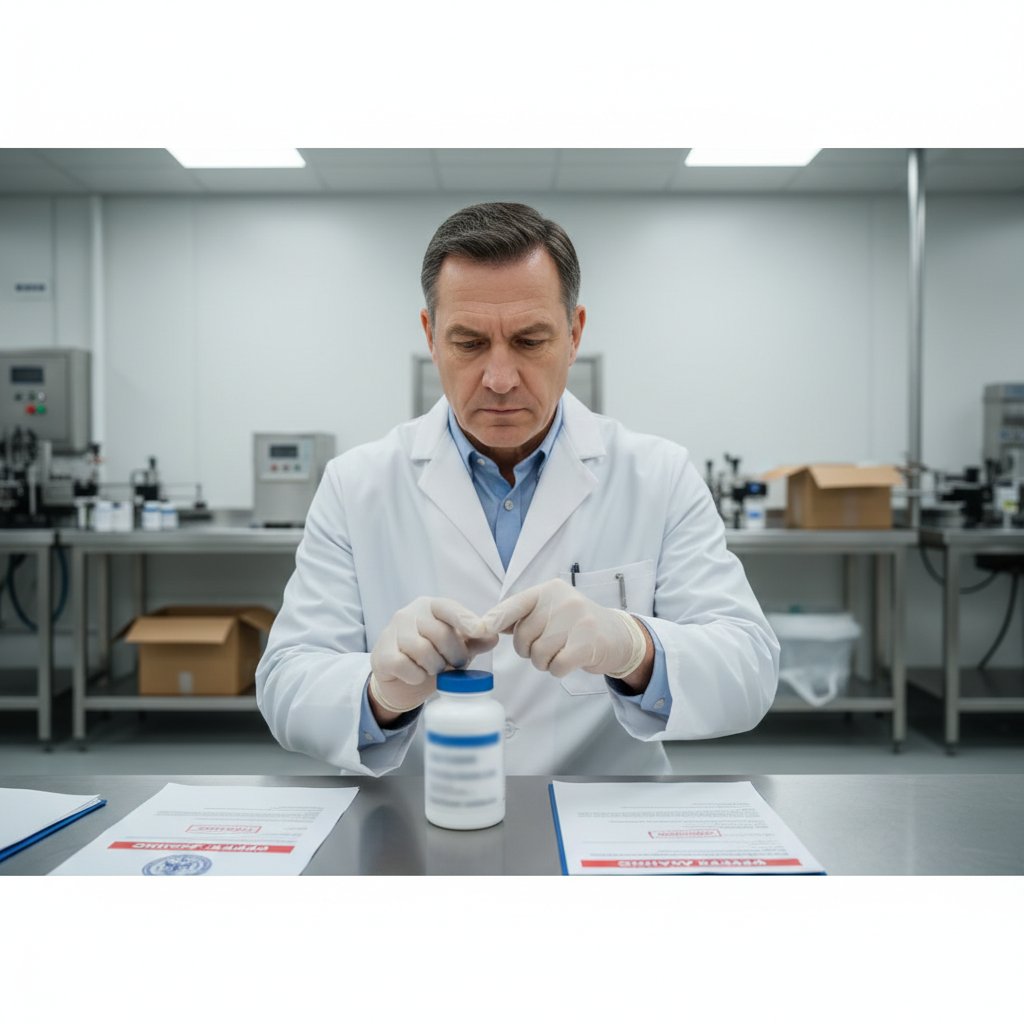
The U.S. Food and Drug Administration (FDA) has issued a comprehensive warning letter to Nature's Elements, Inc., detailing serious violations of current Good Manufacturing Practices (cGMP) for dietary supplements and the marketing of products deemed misbranded and unapproved new drugs. This enforcement action underscores the FDA's ongoing commitment to ensuring the safety, quality, and proper labeling of dietary supplements available to consumers, sending a clear message to the industry about the critical importance of regulatory compliance.
Significant cGMP Violations Uncovered
The FDA's inspection of Nature's Elements, Inc. revealed a litany of cGMP violations, indicating a systemic failure to adhere to established quality control standards. According to the warning letter dated April 7, 2026, the company failed to establish product specifications for the identity, purity, strength, and composition of the dietary supplements manufactured. This fundamental lapse means there was no assurance that the products contained what their labels claimed or that they were free from contaminants.
Further cGMP deficiencies included a failure to verify the identity of dietary ingredients before use, a critical step to prevent adulteration or mislabeling. The FDA also noted the absence of master manufacturing records for each batch of dietary supplement produced, which are essential for ensuring consistency and traceability. Without these records, it is impossible to confirm that each batch was manufactured according to established procedures and specifications. These violations collectively demonstrate a significant disregard for the regulations designed to protect public health.
Misbranding and Unapproved Drug Claims
Beyond the manufacturing issues, the FDA also cited Nature's Elements, Inc. for marketing several products as misbranded dietary supplements. The agency found that certain products were promoted with claims that positioned them as unapproved new drugs, rather than legitimate dietary supplements. Under federal law, products intended to diagnose, cure, mitigate, treat, or prevent disease are considered drugs and must undergo rigorous FDA approval processes before they can be legally sold.
The warning letter highlighted specific examples of disease claims made on product labels and the company's website, which crossed the line from permissible structure/function claims for dietary supplements to impermissible drug claims. Such misbranding not only misleads consumers but also poses potential health risks, as these products have not been evaluated for safety and efficacy as drugs.
FDA's Enforcement and Industry Expectations
The issuance of a warning letter is a significant enforcement tool used by the FDA to notify companies of violations and demand corrective action. Nature's Elements, Inc. has been given 15 working days to respond to the FDA, outlining the specific steps they have taken or plan to take to address each violation and prevent recurrence. Failure to adequately address the issues can lead to further enforcement actions, including product seizures, injunctions, or even criminal prosecution.
This case serves as a stark reminder to the entire dietary supplement industry that the FDA is actively monitoring compliance with cGMP regulations and scrutinizing product claims. Manufacturers are expected to have robust quality systems in place and to ensure that all marketing and labeling comply with federal law, distinguishing clearly between dietary supplements and unapproved drugs.
What this means for consumers
For consumers, this FDA warning letter underscores the importance of vigilance when selecting dietary supplements. Products from companies with cGMP violations may not contain the ingredients or dosages advertised, and could even contain harmful contaminants. Misbranded products making unapproved drug claims can offer false hope and deter individuals from seeking legitimate medical treatment for serious conditions.
- Be informed: Research companies and products before purchasing. Look for signs of good manufacturing practices.
- Read labels carefully: Be wary of products that claim to treat, cure, or prevent diseases. Such claims are red flags for unapproved drugs.
- Consult healthcare professionals: Always discuss dietary supplement use with a doctor or pharmacist, especially if you have underlying health conditions or are taking other medications.
- Report concerns: If you encounter a product that you suspect is misbranded or unsafe, report it to the FDA.
The FDA's enforcement actions like this one are crucial for maintaining consumer trust and ensuring that dietary supplements are produced and marketed responsibly.